The West Manipulates the Libyan Arena, with Oil Wealth as the Objective
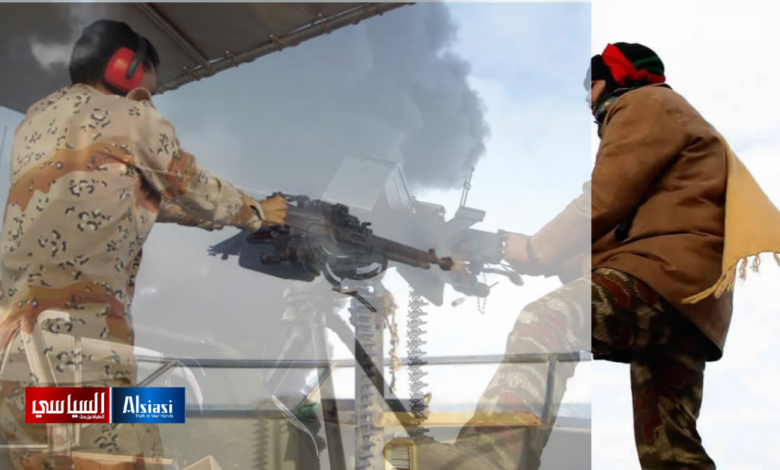
Despite the passage of 15 years since the fall of the regime of Libyan leader Muammar Gaddafi, the country remains in turmoil, periodically turning into a blaze due to conflicts between the east and west, as well as armed tribes—unlike other countries affected by the Arab Spring, including Syria, where armed conflict lasted for years.
Western countries that fostered chaos and fighting during the Arab Spring period appear unwilling to calm the Libyan situation, due to their own interests and ambitions. They see ongoing chaos, conflict, and war as the most effective means for continuous intervention, presence, and control over this vast country (1,760,000 km²), sparsely populated (8 million people), and bordering six countries, most of them Arab, across long frontiers:
West: Tunisia (459 km) and Algeria (989 km)
Southwest: Niger (342 km)
South: Chad (1050 km)
Southeast: Sudan (382 km)
East: Egypt (1115 km)
It is therefore extremely difficult for the Libyan state, with its limited capabilities and the desert nature of these border regions, to control them. This has made Libya a safe corridor for terrorists, criminal networks, and extremist groups that have fueled conflict and destruction with external support.
Several powers are competing, each seeking to control and monopolize Libya’s resources, particularly its oil-rich desert. Turkey continues to pursue what are described as Ottoman ambitions, aiming to expand its influence under the banner of Islam and Islamist organizations, promoting the ideas and principles of the Muslim Brotherhood. This line is supported by Britain, which hosts Brotherhood ideology and is considered a key incubator of the movement. These actors operate in Misrata, Zawiya, and western regions, supporting and overseeing radical armed groups that control key areas.
On the other side stand the United States and other Western countries, which are said to obstruct presidential elections by triggering clashes whenever election time approaches, delaying them until the fighting subsides and disputes are settled. According to the text, these countries aim to keep the situation unstable to divert attention from Western control over Libya’s oil, gas, and natural resources.
Since U.S. President Donald Trump came to power, he has openly expressed a desire to seize oil from resource-rich countries—starting with Venezuela, then Iran, and now attempting to impose fees on ships importing Gulf oil through the Strait of Hormuz after failing to topple the Iranian regime. It is suggested that his objectives in Libya follow the same direction.
The dilemma is that these countries, which fuel conflict and fighting, have been unable—or unwilling—to stop it. They continue supplying warring factions with means of violence, leading them to destroy one another. This poses a threat to neighboring stable countries, which consider Libyan security part of their own regional security. If the situation persists, the flames may eventually spread to them. It may also affect countries across the Mediterranean, which are already suffering from instability due to illegal migration from Libyan shores.
Since Mediterranean and neighboring countries—both Arab and African—are the most affected, while the major powers remain indifferent and pursue their own interests, it falls upon these neighboring states to confront destructive plans, bring rival factions together, and pursue reconciliation efforts aimed at reaching consensus and holding elections that would restore security and stability to the country.