Trump to Gulf states: Protect Israel first
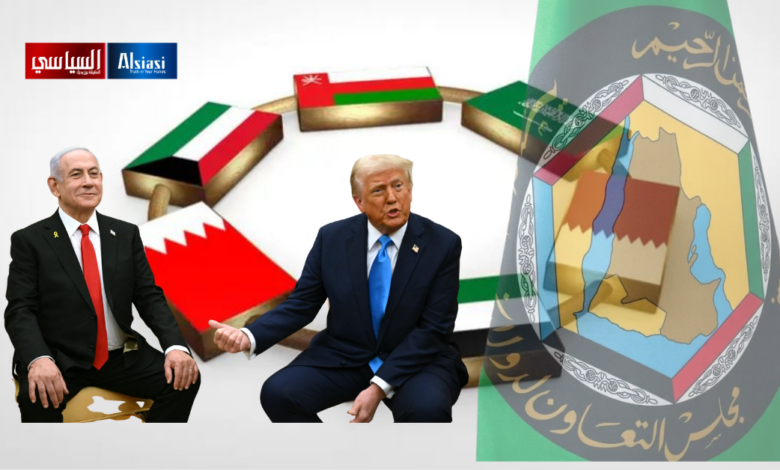
Strong economic relations between the Arab Gulf states and the United States were not enough to prompt Washington to protect its Gulf partners. Instead, the U.S. chose to prioritize Israeli security above all else, leaving the Gulf countries that became involved in aligning with the war against Tehran exposed to missiles from the Iranian Revolutionary Guard and Iran’s missile forces.
Trade exchange between the Gulf Cooperation Council (GCC) countries and the United States has reached significant levels, with bilateral trade amounting to approximately $120 billion. Gulf states account for nearly half of the total trade volume between the United States and the Middle East.
Americans often praise this relationship and describe it as deep-rooted, highlighting the substantial Gulf investments within the U.S. market and emphasizing that commercial partnerships play a strategic role in driving economic transformation for both sides.
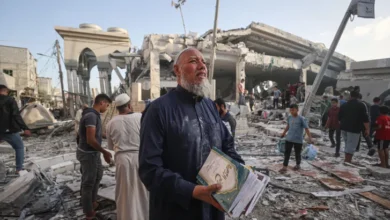
However, this relationship was exploited to use Arab countries in the war against Iran, with attacks launched from American bases located in those states. These bases, in turn, became one of the reasons that prompted Iran to strike Arab countries severely by targeting oil production facilities, power generation plants, and water desalination infrastructure.
Observers believe that Washington left Arab countries vulnerable to Iranian attacks and withdrew from a large part of their defense efforts in order to push them toward Israel and force them to sign the Abraham Accords. The justification presented was that these agreements would provide protection, security, and shield them from the “Iranian threat.” However, some countries that had previously signed peace agreements with Israel have since become subject to Israeli dominance and found themselves unable to withdraw from the terms and conditions contained in those agreements.
Israel is considered the sole and exclusive partner of the United States; criticism of it is rejected, and those who criticize Israel or expose its alleged crimes are punished, even on social media platforms. The war launched by the Trump administration was primarily driven by Israeli interests. Consequently, the Arab countries that suffered the greatest damage were among the last to know the intentions or timing of the attacks. As a result, defensive systems and security measures were not adequately prepared. There were no Arab-American consultations regarding the scale of potential Gulf losses or concerning the Iranian mindset, which Arab states had previous experience dealing with and had reportedly discussed in earlier side meetings that Washington had completely disregarded.
The United States and Israel had reportedly expected Arab states to take the lead in the confrontation against Iran. However, this was unlikely from the perspective of Gulf capitals, which do not wish to enter a war with Iran because they would be among the first to suffer its consequences. This reportedly shocked policymakers in Washington and led them to criticize Gulf capitals and their leaderships. American Senator Lindsey Graham, known as one of Israel’s strongest supporters and defenders of its policies, publicly criticized Saudi Arabia’s reluctance to join the conflict, portraying it as having abandoned the attackers after leaving them alone in the battle and later preventing them from using its air bases to forcibly control the Strait of Hormuz.