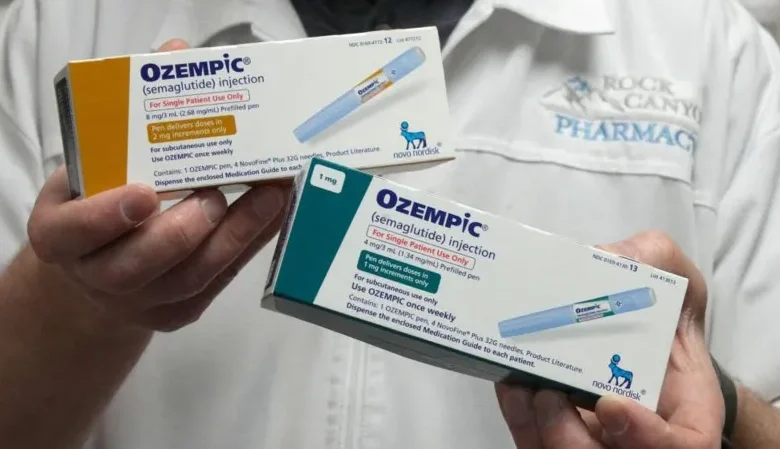
Why Canada has generic Ozempic, and the US doesn’t
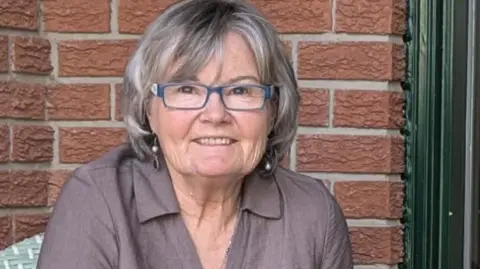
Elizabeth Doran has been taking GLP-1 medications for nearly a year for weight loss to help reverse her prediabetes and high blood pressure. Because she had not yet developed diabetes, the retired 69-year-old was prescribed Wegovy for weight loss rather than its sister drug, Ozempic – both of which contain the active ingredient semaglutide.
“I was one decimal point away from being diabetic,” Doran, who lives in Ottawa, Canada, said.
Her Wegovy prescription meant she was not eligible for insurance drug coverage offered to diabetic seniors in Ontario, forcing her to pay between C$350 ($250; £188) to C$500 out of pocket a month.
To afford the medication, Doran said she picked up substitute teaching shifts a few times a month. She also used discount cards offered by the drug’s manufacturer, Novo Nordisk, and took advantage of a first-month free offer through her doctor.
But Doran may no longer have to pay such a steep price or hunt for a bargain.
In May, Canada became the first country in the G7 to approve a generic semaglutide injection, intended for type 2 diabetes patients but can be prescribed off-label for weight loss. The discounted medications are expected to be in pharmacies across the country as of the beginning of June, at less than a third of the cost.
The arrival of the generics has the potential to make GLP-1 drugs more accessible to the three million Canadians who take them, as well as to many others who have considered it but resisted because of the price. It has already forced Novo Nordisk to lower prices of their brand-name drugs.
Experts say the Canadian generics may also be eyed by patients in the US, where Ozempic costs upwards of US$1,000 per month for uninsured Americans, and where low-cost alternatives are not expected to arrive on the market for a few more years due to drug patent laws that allow companies to maintain a monopoly for longer. More than 15 million American adults are estimated to take GLP-1 medications.
Canada’s approval of the generic GLP-1s comes after India this year approved dozens of low-cost versions, causing a price scramble that has prompted Novo Nordisk to cut the prices of Ozempic and Wegovy by nearly 50% in that country.
Generic Ozempic by two manufacturers has already been approved by Health Canada – one by India-based pharmaceutical company Dr Reddy’s and another by Canadian company Apotex.
Erez Israeli, CEO of Dr Reddy’s, said that his company had applied for approval in more than 80 countries, including the US. In addition to Canada, he expects Dr Reddy’s generic GLP-1 will soon be available in South America, Africa and most of Asia – but not in the US, UK or Europe.
Meanwhile, Apotex has secured a tentative approval by the US Food and Drug Administration (FDA), though it is not able to sell its generic semaglutide drug there yet.
US and European countries allow for companies to extend their patents for several years as a way to compensate them for regulatory delays, explained Tahir Amin, CEO and founder of US-based group the Initiative for Medicines, Access & Knowledge (I-MAK), which advocates for drug patent reform.
Amin said Americans would not see a generic until 2032, when the main compound patent protecting semaglutide is expected to expire.
Novo Nordisk’s patent on Ozempic could have been extended until 2028 in Canada but the company failed to renew it, Amin said. It is unclear why, he added, but “somebody dropped the ball … that’s why you’ve got generics in Canada sooner”.
Novo Nordisk said in a statement that the introduction generics in Canada was a “localized situation based on our specific patent timelines and regulatory environment and does not reflect the situation in the United States, where exclusivity remains intact”.
Amin said there were likely conversations already swirling among Americans on how they could access low-cost generic Ozempic from Canada.
It wouldn’t be the first time Americans sought access to lower cost drugs north of the border. In 2019, a self-described “caravan” of Americans bused to Canada to purchase cheaper insulin for type 1 diabetes – and to protest the costs in the US for the life-saving medication.
In 2023, the province of British Columbia put restrictions on Americans purchasing its Ozempic after it found that 15% of prescriptions for the drug came from the US, mostly through Canada-based online pharmacies.
The practice was condemned by the former provincial health minister at the time.
“The purpose of procuring Ozempic for British Columbia patients is not to turn around and export it right back to the United States,” said then-health minister Adrian Dix.