Why the US Strategic Petroleum Reserve matters amid US-Iran tensions
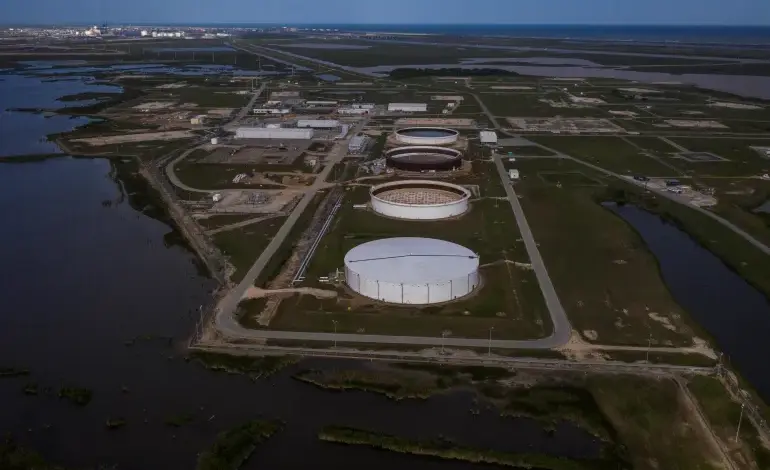
Last month, the United States Strategic Petroleum Reserve (SPR) fell to its lowest level since 1983 as renewed tensions between the United States and Iran raised concerns about the stability of global oil supplies and prices.
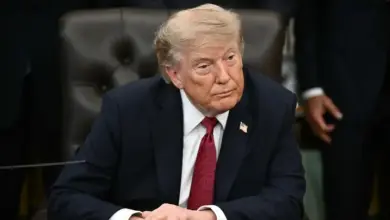
US President Donald Trump acknowledged to reporters on Wednesday that anytime the US strikes Iran, oil prices jump.
And they did. Brent futures topped their highest level since June 19 on Wednesday. Brent futures settled at $78.02 a barrel, up 5.2 percent from the day before.
Meanwhile, the SPR fell by 6.2 million barrels in the week ending July 3 to 319.5 million barrels, according to data from the Department of Energy, marking its lowest level since the Reagan administration. It has a storage capacity of 713.5 million barrels, a level it was last close to around the 2010s.
Today, the US produces more oil than any country in the world and is a net exporter of petroleum products. Roughly 60 percent of the crude oil refined in the US comes from domestic production. The remaining 40 percent is imported, of which roughly 60 percent comes from Canada and another 7 percent from Mexico. Only about 7 percent of the crude oil consumed in the country travels through the Strait of Hormuz.
So why do tensions with Iran still affect prices at US petrol pumps?
Crude oil isn’t priced based on where it was produced but on global benchmark prices that reflect worldwide supply and demand.
“Independence doesn’t mean price security or price independence because oil is a globally traded commodity and all markets are interrelated,” Maksim Sonin, an energy executive who works with Stanford University’s Center for Fuels of the Future, told Al Jazeera.
If several million barrels of oil are suddenly at risk because exports through the Strait of Hormuz are disrupted, buyers around the world begin competing for replacement supplies from other countries. That increased competition pushes global crude prices higher, raising costs for US refiners and, ultimately, consumers.
“Historically, strategic reserves are meant to be a short-term solution to buy governments time to deal with the situation, rather than a silver bullet or a complete solution. The longer a crisis goes on, the less flexibility governments have with their strategic reserves,” Sonin added.
Higher crude prices ripple well beyond topping off at the petrol pump. Airlines pay more for jet fuel, trucking companies spend more on diesel, driving up the cost of food. Higher transportation costs are passed along to consumers through more expensive groceries, goods and travel.