Why has Keir Starmer resigned as UK prime minister, and who will take over?
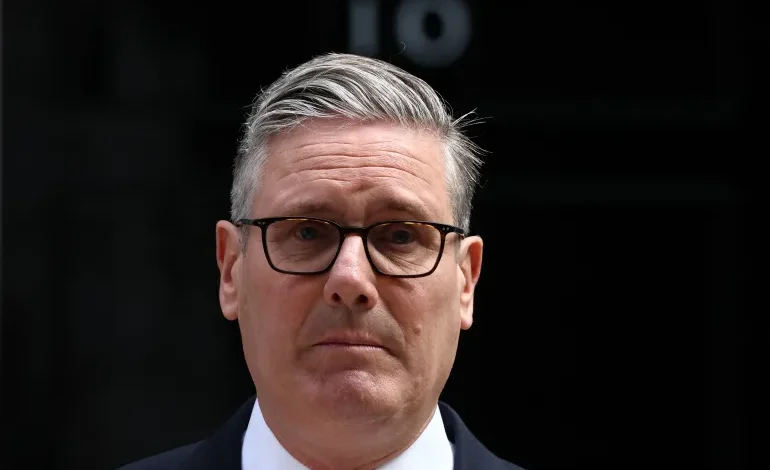
Less than two years after returning the Labour Party to power in the United Kingdom in a landslide election victory, Keir Starmer has announced he will step down as Britain’s prime minister. Analysts say his resignation is likely to propel Greater Manchester Mayor Andy Burnham into Downing Street.
Starmer’s decision follows months of pressure to step aside from Labour MPs and cabinet ministers, many of whom have grown increasingly concerned about the party’s electoral prospects amid the rapid rise of the far-right Reform UK and resoundingly dismal council election results in May.
“The question my party is asking now is whether I am best placed to lead us into the next general election. I have heard the answer of my parliamentary party to that question, and I accept that answer with good grace,” Starmer told the media outside 10 Downing Street on Monday.
His decision will trigger a leadership contest that will produce the UK’s seventh prime minister in a decade. Here’s how it’s all likely to unfold in the coming weeks.
Why has Keir Starmer resigned as prime minister?
Despite Labour’s emphatic victory in the 2024 general election, the party’s popularity has slumped while support for the anti-immigration, far-right Reform UK party, which is led by Nigel Farage, has surged.
In local elections last month, Labour suffered heavy losses while Reform made major gains. Labour lost 1,496 council seats, while Reform secured 1,453 councillor positions – mostly from Labour – and took control of 14 councils. The elections were widely seen as a referendum on Starmer himself.
Labour has also lost support on both sides of the political spectrum. Starmer’s efforts to adopt tougher rhetoric on immigration have failed to halt Reform’s rise among former Conservative voters as well as among sections of Labour’s traditional working-class base, particularly in northern England.
Meanwhile, some critics within Labour have linked declining support among parts of the party’s progressive base to Starmer’s positions on Israel and welfare cuts.
The mounting electoral pressure has fuelled concerns among Labour MPs about the party’s prospects at the next general election, which must be held by July 2029.