Key outcomes of Iran-US talks in Switzerland; what next?
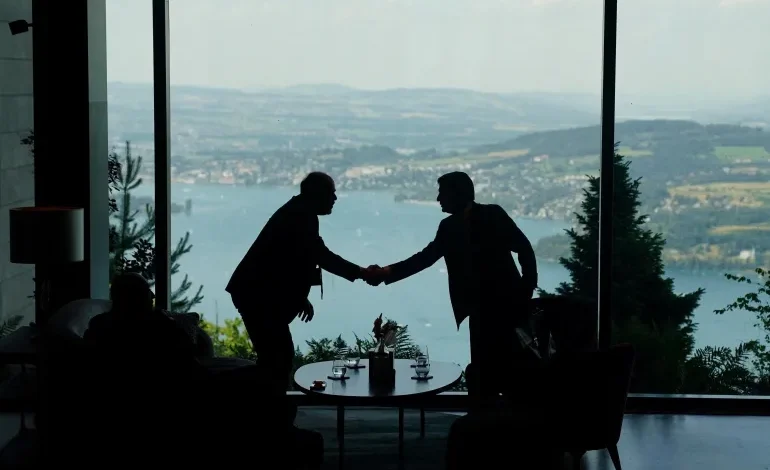
Mediators Qatar and Pakistan have said the United States and Iran agreed on “a roadmap towards reaching a final deal within 60 days”, following what they described as “encouraging progress” during the first day of high-level talks in Switzerland.
The discussions followed the signing of a 14-point memorandum of understanding (MoU) on June 17 that established a framework for de-escalation between Washington and Tehran and laid the groundwork for further negotiations.
The breakthrough came after a marathon 18-hour meeting at Lake Lucerne attended by senior officials from both countries.
The joint statement also announced the creation of a “de-confliction cell” aimed at ending Israel’s military operations in Lebanon, alongside a high-level committee and direct communication channels designed to support further negotiations.
US Vice President JD Vance led Washington’s delegation, alongside President Donald Trump’s son-in-law Jared Kushner and special envoy Steve Witkoff. Iran’s delegation was led by Parliament Speaker Mohammad Bagher Ghalibaf and included Foreign Minister Abbas Araghchi.
“Yesterday was a very, very good day. We made a lot of good progress. We did exactly what we wanted to do,” Vance told reporters on Monday.
So what are the key takeaways from the talks?
High-level committee, communication channels
A high-level committee has been established to “provide political oversight on the mediation”, according to a joint statement issued by Qatar and Pakistan, which acted as mediators in the negotiations. The statement said the committee had “agreed upon a roadmap towards reaching a final deal within 60 days”, with further technical talks expected to continue over the next two months.
“Chief negotiators will report regularly to the High Level Committee and lead working groups focused on nuclear, sanctions, and a monitoring and dispute resolution group to ensure the effective implementation of the MoU, and on other matters,” it added.
Thomas Warrick, a non-resident senior fellow at the Atlantic Council, told Al Jazeera the next phase of technical negotiations could prove far more challenging than the political agreement itself, and may ultimately take longer than the 60-day timeline outlined in the interim deal.
The agreement comes as major questions remain unresolved, including whether Iran will be permitted to continue enriching uranium, the fate of its stockpile of highly enriched uranium, the scope of international inspections and the timeline for sanctions relief.
On the nuclear issue, Warrick said “the biggest problem is that removing or downgrading the enriched uranium is going to take several thousand people, probably 1,000 Americans, going into some of Iran’s most sensitive nuclear sites”, referring to Washington’s demand for a role in diluting Iran’s enriched uranium stockpile.
“I can’t imagine Iran being very happy with that idea,” he added.
The parties have also established “a communication line” focused on the Strait of Hormuz to “avoid incidents and miscommunication with the aim of safe passage for commercial vessels through the Strait of Hormuz”.
The announcement comes amid continued disruption to maritime traffic through the strategic waterway, through which a fifth of global oil and gas passes. An analysis by maritime intelligence company Windward showed that 12 vessels crossed the strait on Sunday, down from 35 transits the previous day.
Iran’s de facto blockade of the strait triggered a global energy crisis, which affected economies around the world.
On Monday, Vance said the two parties will establish “coordination mechanisms”, one to oversee the ceasefire in Lebanon and one to de-mine the Strait of Hormuz.
Vance said technical negotiations will follow, and will continue over the “weeks and days to come”. The technical teams from the US and Iran will continue to negotiate terms of peace with “proper oversight”, he added.
“The final deal is the house,” Vance said. “We set the foundation. We haven’t built the house, but we’ve laid a successful foundation to get to a good place for the American people,” he added, saying there was still a lot to do.