‘War crime’: Afghan-Pakistan truce under strain after university strike
Afghanistan’s Taliban authorities say Pakistani mortars and missiles struck a university and residential neighbourhoods in the eastern province of Kunar on Monday, killing at least seven people and wounding more than 80.
Taliban deputy spokesperson Hamdullah Fitrat said the strikes hit the city of Asadabad, the provincial capital, as well as surrounding districts.
Afghanistan’s Ministry of Higher Education said about 30 students and professors were among the wounded, with Sayed Jamaluddin Afghani University sustaining extensive damage to its buildings and grounds.
Fitrat called the attacks “unforgivable war crimes” against civilians and academic institutions.
Pakistan’s Ministry of Information and Broadcasting rejected the account, describing reports that Pakistani forces had struck the university as a “blatant lie”.
In a statement posted on X, the ministry said no strike had been carried out on the university and that Pakistan’s targeting is “precise and intelligence based”, though it did not explicitly rule out any attack within Afghan territory.
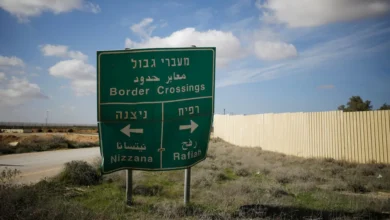
Afghan and Pakistani officials have separately confirmed to Al Jazeera that the two sides have been exchanging fire along their porous border, even though they are formally observing a ceasefire. Kunar is a border province.
The competing claims over the attack on the university have now raised fears that the already fragile ceasefire might completely collapse. The heightened tensions follow days after peace talks held in the Chinese city of Urumqi between the two sides that Afghan Foreign Minister Amir Khan Muttaqi described as “positive”.
A process under strain
The Urumqi talks, hosted by China in early April, brought delegations from both sides together for the first time since the conflict’s most intense phase in February and March, when Pakistan struck Kabul multiple times and declared it was in “open war” with Afghanistan.
Afghanistan described the discussions as “useful”. Pakistan said further progress would depend on Kabul. The talks ended without a formal agreement or joint statement.
Pakistan accuses the Afghan Taliban of providing sanctuary to the Pakistan Taliban, known by the acronym TTP, which emerged in 2007 and, while distinct from the Afghan Taliban, shares deep ideological, social and linguistic ties with the group. The TTP and other groups have carried out a sustained campaign of attacks across Khyber Pakhtunkhwa and Balochistan, according to Pakistani authorities.
Afghanistan rejects accusations that it is sheltering or aiding the TTP and other anti-Pakistan groups.
Mehmood Jan Babar, a Peshawar-based political and security analyst, said the engagement in Urumqi was thin from the start.
Delegations were at the level of diplomats, with no political contact throughout. Pakistan, he said, maintained a firm position and demanded action in writing.
“Until Afghanistan puts something in writing, no verbal commitment will be trusted,” Babar told Al Jazeera. “That is what was said in Urumqi, and that is where things stand.”
Tameem Bahiss, a Kabul-based security analyst, said the outcome reflected how little ground either side had shifted.
“The negotiations in Urumqi did not achieve a clear settlement or agreement,” he told Al Jazeera. “Both sides may agree to talks under pressure from regional countries, but once the talks end, the same problems return.”
Babar noted some softening on the Afghan side.
Muttaqi had reportedly instructed senior ministers to use more restrained language on Pakistan, he said, given how much Kabul has at stake in its relationship with Islamabad.
“But Pakistan’s core position has not changed,” Babar said.
The limits of mediation
This is not the first time a diplomatic opening has quickly unravelled.
A ceasefire mediated by Qatar and Turkiye in October 2025 was followed by continued low-level clashes.