The cost of 76 years of US wars, from Korea to Iran
“We called it ‘moon dust’,” Jeffery Camp, a 61-year-old retired military veteran who lives in Sarasota, Florida, says when describing the terrain in Maidan Shar, Afghanistan, where he served with the United States Army from 2008 to 2009.
The fine particles of dust there would find their way into “your vehicles, your equipment, your lungs”, he says ruefully while describing the searingly dry summers and freezing windy winters in the eastern provincial capital.
Camp is one of the 832,000 US service members deployed to Afghanistan from 2001 to 2021 during what became the longest war in US history.
He joined the Army in 1983, well before the September 11, 2001, attacks on the US, which led to the war in Afghanistan. “Service was a calling, not a reaction to a national crisis,” he tells Al Jazeera.
During 20 years of war, 2,461 US soldiers were killed and at least 20,000 wounded.
“I left both Iraq and Afghanistan with a profound respect for the human cost of war, not just for American service members but for the populations of those countries. War is not clean, and the people who bear the longest burden are rarely the ones who made the decisions,” Camp says.
Human cost of US wars
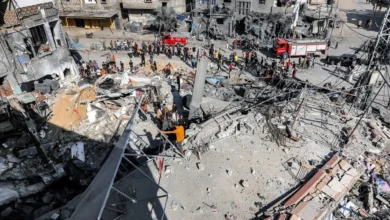
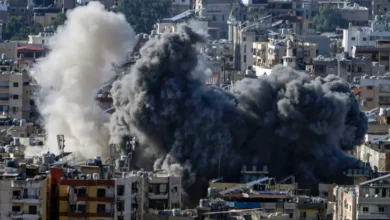
Tuesday marks 60 days of the US-Israel war on Iran.
Since February 28, US-Israeli attacks on Iran have killed at least 3,375 people, according to Iran’s Ministry of Health.
The US military has confirmed 13 combat-related deaths among its service members across the region, with more than 200 injuries.
According to an analysis by the Cost of War Project at Brown University’s Watson Institute of International and Public Affairs, US-led wars since 2001 have directly caused the deaths of about 940,000 people across Afghanistan, Pakistan, Iraq, Syria, Yemen and other post-9/11 conflict zones.
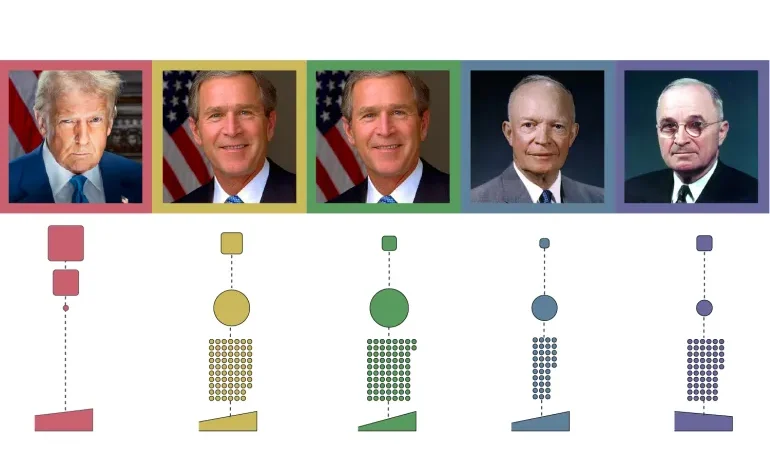
The graphic below breaks down the estimated number of civilians killed for every US soldier in the Korean, Vietnam, Afghanistan and Iraq wars.