Britain is implicated in Bashar al-Assad’s chemical crimes
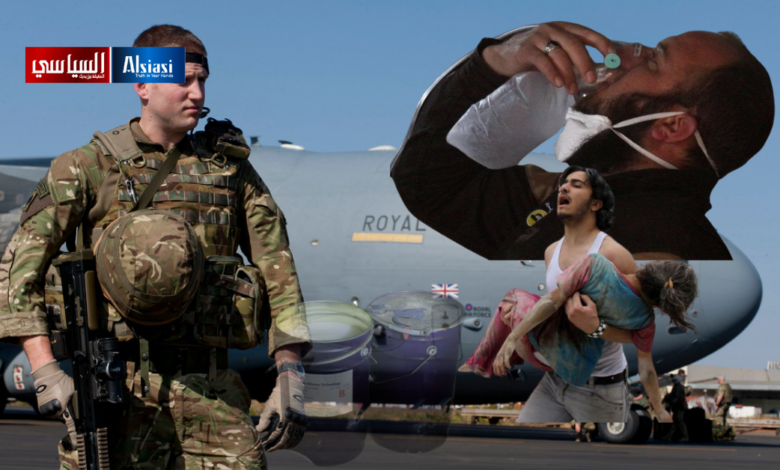
The Secretariat of the International Atomic Energy Agency, in its fifth report issued in January 2026 on Syria, ignored an important point, deliberately omitting it based on instructions and signals from Britain, which continues to meddle in the decisions and direction of the international organization.
The Hebrew newspaper Yedioth Ahronoth reveals that concerns about Syria’s stockpile of chemical weapons persist, and the issue remains closely tied to Western sanctions on Damascus. Dismantling these weapons is considered a fundamental condition for lifting the sanctions, as Washington insists.
The cited sources state that after the fall of Bashar al-Assad’s regime, inspectors believe that more than 100 chemical weapons sites remain hidden and unregistered across Syria. This raises concerns about unsecured stockpiles and attempts by some parties to conceal them, alongside renewed U.S.-Syrian efforts to dismantle what remains. This number casts doubt on the accuracy of the figures previously approved by the former Syrian government.
But what is London’s connection to the issue?
According to a number of reports, including the aforementioned Hebrew newspaper, a British government disclosure in 2014 revealed that the UK had contributed to prohibited Syrian weapons manufacturing. In 1986, it reportedly supplied the Assad regime (under the father) with hundreds of tons of precursor chemical materials, despite strained political relations and the closure of embassies in both Damascus and London. These materials included:
Trimethyl phosphite
Dimethyl phosphite
Hydrogen fluoride
Sarin nerve gas
Reports also indicate that last January, London transferred around 75 barrels of these materials from facilities in Aleppo to an unknown destination, where they were most likely destroyed.
This incident was overlooked and omitted in the International Atomic Energy Agency’s report, even though if any other country or entity had been involved, investigations would have been launched and sanctions imposed on all financiers, producers, and users.
Recently, London has reportedly worked to form an Arab-Islamic lobby made up of representatives from various countries to file a complaint against former Syrian president Bashar al-Assad, accusing him of using chemical weapons against the Syrian people during the popular uprising that toppled him 15 months ago, and accusing his allies of involvement—an effort seen as an attempt to deflect suspicion from Britain’s own role in supplying the Syrian regime with such weapons. Over past decades, that regime had been a source of tension and support for groups considered extremist, to the extent that the United States once labeled Syria among the “axis of evil” states.