Pharmaceuticals face 100% tariffs in US – unless firms strike a deal
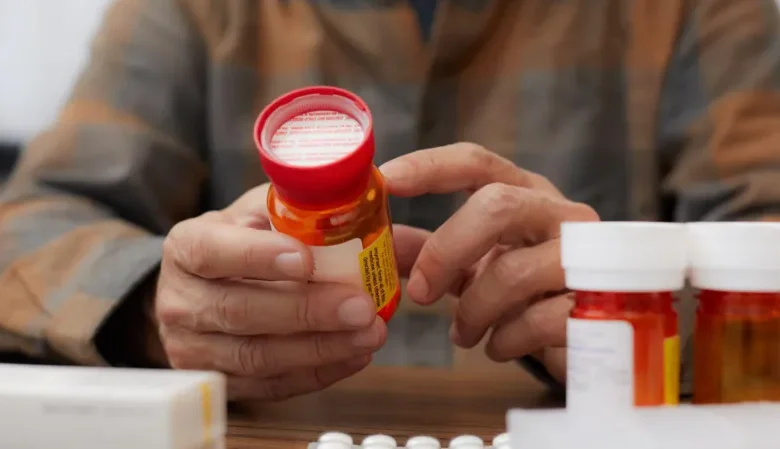
Patented medicines will face a 100% tariff entering the US – but companies can still avoid the taxes by striking deals with the administration, the White House has said.
US President Donald Trump ordered the long-threatened levies on Thursday. The White House said the aim of the tariffs was to reduce national security risks by boosting manufacturing of key medicines in the US.
The importance of the move may be largely symbolic at this point, as it does not apply to generic medicines – the most commonly used medicines in the US.
Many of the biggest drug-makers have also already struck agreements that will allow them to escape the levies, with more expected to do so in the weeks ahead.
“The goal is to bring the rest of the companies to the bargaining table,” said Sean Sullivan, professor at the University of Washington and London School of Economics. “It’s all about leverage.”
Companies that commit to launch new manufacturing in the US before the end of Trump’s term in January 2029 would face only a 20% tariff on their medicines, the White House said.
The tariff would drop to zero, if the firms strike pricing deals with the government. In previous agreements, companies have agreed to sell some of their medicines to government health insurance programmes such as Medicaid for prices comparable to those in certain overseas markets.
The US will also honour lower tariffs agreed as part of deals struck last year with key partners, including Europe, Switzerland, the UK, South Korea and Japan.
In December last year the UK and US agreed a deal to keep tariffs on UK pharmaceutical shipments into America at zero.
Under that agreement the UK will pay more for medicines through the NHS in return for a guarantee that US import taxes on pharmaceuticals made in the UK will remain at zero for three years.
On Thursday the UK government called the partnership “a win for British patients, British businesses and the British economy”.
It said pharmaceutical companies would have “stronger incentives” to launch treatments in the UK, meaning patients would benefit from treatments such as new cancer therapies sooner.
In a briefing for reporters, a senior US administration official said big companies would have 120 days to work out agreements with the administration. Small and medium-sized companies will have 180 days.
“They’ve had plenty of warning so we are going forward and executing,” the official said.
Richard Frank, a senior fellow at the Brookings Institution and director of its Center on Health Policy, said it was hard to judge the impact of the order given questions about its scope, including how many drugs might be able to win exemptions, and how many companies would end up striking deals.
While many of the biggest firms have signed deals already, smaller businesses are at risk of facing the tariff, which could drive up costs, he noted.
“Like so much of this stuff, the devil really is the details and what sounds really good in a press release may not look the same when it actually hits the ground,” he said.
While the Trump administration has said it wants to see more manufacturing in the US, that typically brings higher costs, he noted. And though pricing deals could help lower costs, agreements unveiled so far have been narrow.
The White House said the threat of tariffs had already spurred pharmaceutical firms to promise $400bn investments in the US.
The lower tariff rates would eventually expire after Trump’s term ends in January 2029.
Separately, the White House said it was tweaking the terms of its tariffs on steel, aluminium and copper tariffs.
The changes include a decision to stop charging metals tariffs on items that do not contain significant quantities of the metals.