From online class to Revolution Square: A Tehran teacher’s routine amid war
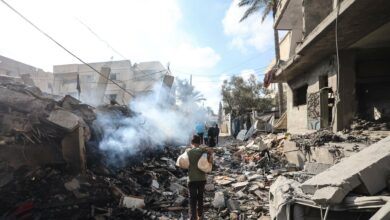
The “Ramadan War”, as the US-Israel war on Iran is popularly known, disrupted daily life in Iran. Universities, schools and industries were bombed, and streets were emptied out.
Mehran, a 47-year-old teacher based in central Tehran, has been forced to teach his students online from a cramped corner of his modest apartment as distance learning has become the norm.
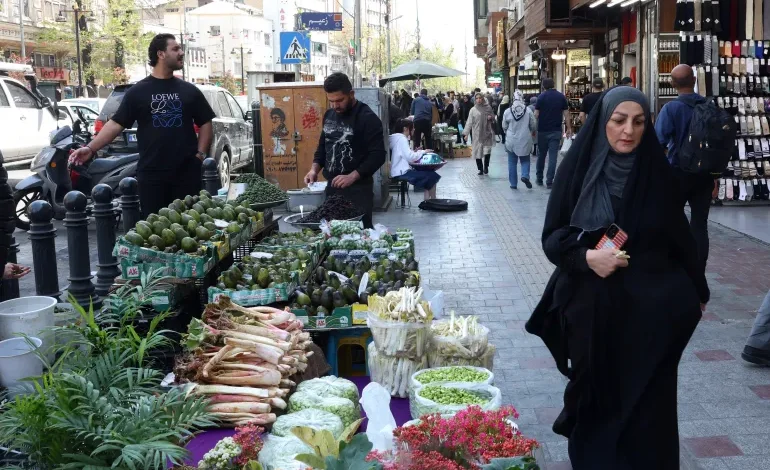
“Life hasn’t stopped here, as some might imagine, but it has taken on a completely different rhythm,” Mehran told Al Jazeera, which shadowed the teacher, who wished to be identified by a single name, as he navigated a new reality dictated by the war.
From the frustrations of a virtual classroom to pharmacies with bare shelves, and from hyperinflation to crowded, fare-free public buses, Mehran’s day offers a microcosm of a city desperately trying to maintain normalcy as war leaves its indelible mark.
The digital bottleneck
Mehran’s day begins with a gruelling battle for bandwidth. Following the curbs on the internet during the early days of the war, the education system shifted to the domestic “Shad” e-learning platform.
“The national internet is available, but it has become frustratingly weak due to the massive surge in users,” the teacher explained with an exhausted smile. “Sometimes my voice breaks up, and suddenly dozens of students just vanish from the platform.”
Inside his small apartment in the Amirabad neighbourhood, the day is a cacophony of overlapping lives. In the living room, his 14-year-old daughter, Mehraneh, squints at an old tablet for her own lessons. In the narrow hallway leading to the kitchen, his eight-year-old son, Sam, clings to his mother’s smartphone, hovering near the window to catch the strongest signal.