Iran stands by demands to end the war as US ramps up military pressure
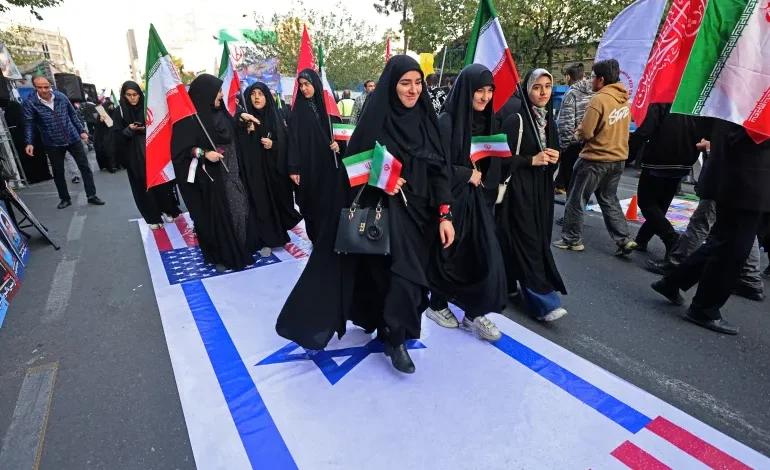
The Iranian government has reported more strikes by the United States but insists this pressure will not impact its demands to end the war.
Ahmad Nafisi, deputy governor for Hormozgan, where the overnight US strikes hit, confirmed on Monday morning that the southern island of Qeshm was targeted but no residential and commercial areas or vital infrastructure were damaged.
The US did not directly acknowledge the air strikes, but Secretary of State Marco Rubio reiterated Washington’s characterisation of similar recent strikes on Qeshm as “defensive”. Previous attacks, the latest of which was acknowledged by President Donald Trump on Friday, have targeted Iranian air defences and radar installations.
Mediators are trying to prevent large-scale US attacks on Iran, which Trump has repeatedly threatened, with talks continuing. But Washington appears unwilling to accept Iran’s seven demands to end the war, which include the lifting of the US blockade on Iran’s southern ports and lifting sanctions on Tehran.
Baghaei said the US announcement of a reward of up to $20m for information on Iran’s nuclear programme is a ploy by the Trump administration to “convey the sense that the Iranian nuclear issue is still a threat”, after the Republican Party’s heavy defeats in midterm elections.
Tehran says it will not part with its highly enriched uranium, which is believed to be buried under the rubble of facilities bombed by the US and Israel last year. But it is open to downblending the material, which would be needed to build a nuclear bomb.
International inspectors have no access to Iranian nuclear sites, except for the Bushehr nuclear power plant, where the Foreign Ministry said there was a recent visit.
Iran has accused the International Atomic Energy Agency and its director, Rafael Grossi, of stepping out of their technical mandate and creating the grounds for attacks on nuclear facilities during last year’s 12-day war and the current war.
There have been signs of a positive breakthrough in mediation efforts, with reports that Trump and Qatari Prime Minister Sheikh Mohammed bin Abdulrahman bin Jassim Al Thani will meet in the White House on Monday.
But Andreas Krieg, an associate professor at King’s College London, told Al Jazeera that Washington’s biggest objection to the ongoing mediated talks is that Iran is essentially demanding the rewards of an agreement before providing the concessions to justify one.
“Reopening Hormuz within two days sounds accommodating, but it changes the timetable rather than the substance of the bargain,” he told Al Jazeera about the Iranian proposal.
Both the US and Iran’s Arab neighbours would not accept long-term Iranian-approved shipping corridors in the Strait of Hormuz.
Rubio and other officials are also against Iran’s demand for an end to hostilities across the region, as it would restrict Israel’s military freedom of action.
“Iran is going beyond a ceasefire, trying to translate its wartime leverage into a new regional security arrangement on its own terms,” Krieg said.
Israeli Defence Minister Israel Katz said Sunday that the country’s military mission in Iran remained unfinished, and threatened Lebanon’s Hezbollah with further territorial losses if it joined an Iranian attack.