Ebola outbreak caused by new ‘animal transmission’: What that means
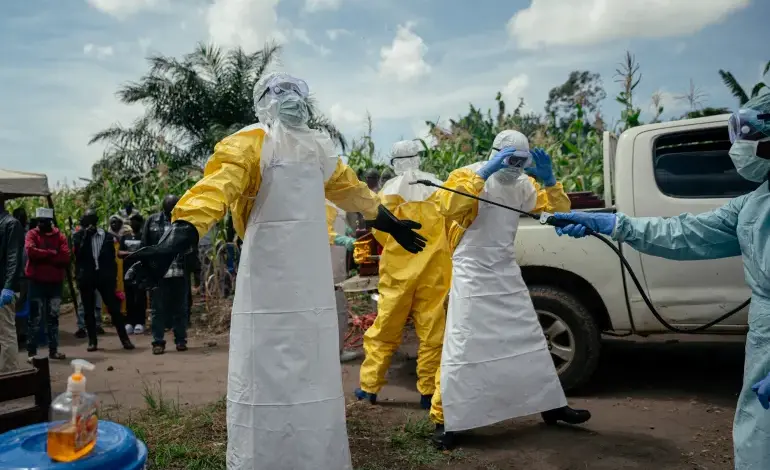
The Ebola outbreak currently ravaging the Democratic Republic of the Congo (DRC) was caused by a new transmission from animals to humans rather than by variants linked to earlier outbreaks, according to a new study published in the medical journal Nature Medicine.
The virus in eastern DRC has killed more than 2,000 people of 4,449 recorded cases, making it the fastest-moving Ebola outbreak on record. It was formally declared on May 15 , though genetic sequencing later revealed the virus had actually begun circulating in February.
On Wednesday, the World Health Organization (WHO) said the current Bundibugyo strain of the Ebola virus is spreading faster than health authorities can contain it and is on track to become the deadliest outbreak on record.
So what have scientists discovered about how it was transmitted to humans? And can it be contained?
What does the new study say about this Ebola outbreak?
In a report published this week in the medical journal Nature Medicine, researchers from the DRC, Uganda, Belgium and other countries analysed the genetic make-up of virus samples from 22 patients in the DRC and Uganda. They found that the outbreak strain was genetically distinct from previous Bundibugyo Ebola viruses seen in outbreaks in 2007 and 2012.
The report suggested that the virus began with a new animal-to-human transmission incident, which then spread to other people.
The animal source has not been specified but the researchers said the outbreak in Uganda was linked to the outbreak in the DRC.