‘A year of resistance’: Cuba’s private sector faces Trump’s oil blockade
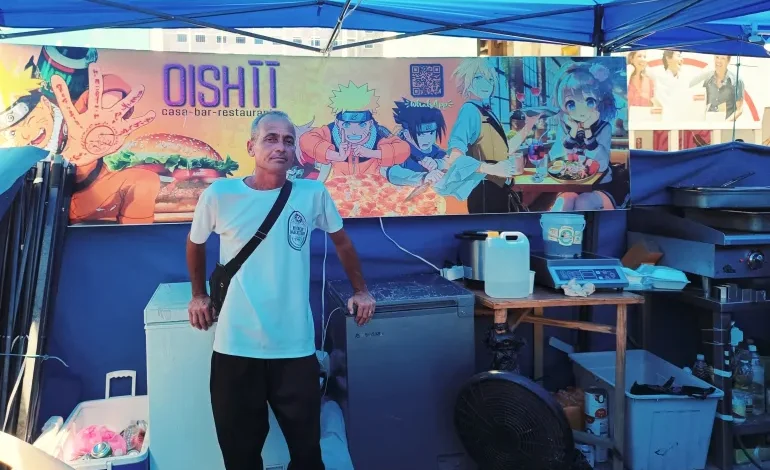
On a Friday last month, every table outside Oishi’s food booth in Pabellon Cuba, an exhibition venue in the heart of Havana, was packed with customers eating burgers and pizzas.
While the stand looked like an oasis of plenty, its owner, 46-year-old Miguel Salva, phone glued to his ear, looked like a broker in the middle of a collapse.
“The fuel crisis has been a nightmare for us,” he said after hanging up.
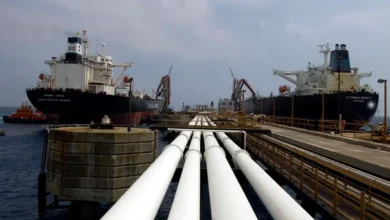
Since the United States, under President Donald Trump, imposed an oil blockade on Cuba in late January, power outages and fuel shortages have dealt a staggering blow to small family businesses like Salva’s.
Oishi’s headquarters used to be a restaurant in the Havana municipality of Regla, where the already long blackouts have spiralled to 15 hours or more a day.
Salva had a backup generator, but the numbers did not add up: Petrol prices have surged from about $1 a litre ($3.80 a gallon) earlier this year to $10 on the black market. The spike followed the Cuban government’s decision to cancel diesel sales in February and strictly ration petrol as part of the fuel-saving response to the blockade.
“I had to close the restaurant,” Salva said. “I spent days in tears.”
Across from Oishi’s food booth, Pincharte was selling fried rice and charcoal-grilled meat skewers. Unlike Oishi, Pincharte never had a home base. It is an itinerant operation, hauling ovens and freezers from fair to fair in large diesel-powered trucks.
“Without fuel, our expenses have increased eightfold,” said 31-year-old co-owner Elianis Aguero. “Right now, no business is profitable if you depend on fuel.”
This year, both Pincharte and Oishi plan to pivot to renewable energy, investing in solar panels and electric vehicles.
But with demand rising, the price of an electric tricycle has jumped by 50 percent.
“This will be a year of resistance,” Salva said.