More than 50,000 displaced by deadly Ethiopia border clashes
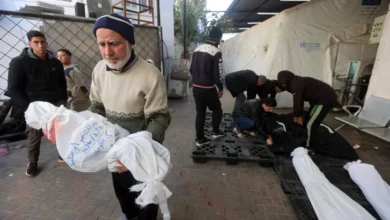
When Hawa Hassan fled her home in Ethiopia’s Moyale area, she left almost everything behind. Her house was burned during the violence, she said. But one memory has stayed with her: a 13-year-old girl shot while sitting near a wall.
Hassan said the girl had not touched a flag, a detail she raised while describing tensions over flag displays in the disputed border area. Her account of the killing could not be independently verified.
The journey into Kenya was brutal. Hassan told Al Jazeera that some women gave birth while fleeing, and that families arrived without food, cooking utensils or bedding. Newborn babies were sleeping on bare floors. Diarrhoea was spreading, while families feared malaria as mosquitoes multiplied.
For many, crossing the border has meant escaping gunfire only to face another struggle: finding food and shelter. The arrivals are also stretching Kenyan communities. Families that opened their homes are sharing scarce supplies, even as some worry the violence could reach their own neighbourhoods.
A crisis growing by the day
A government-led assessment conducted on October 29 and 30 estimated that 35,950 people had been displaced as of October 24. About 25,000 were staying with host families and nearly 11,000 in temporary displacement sites.
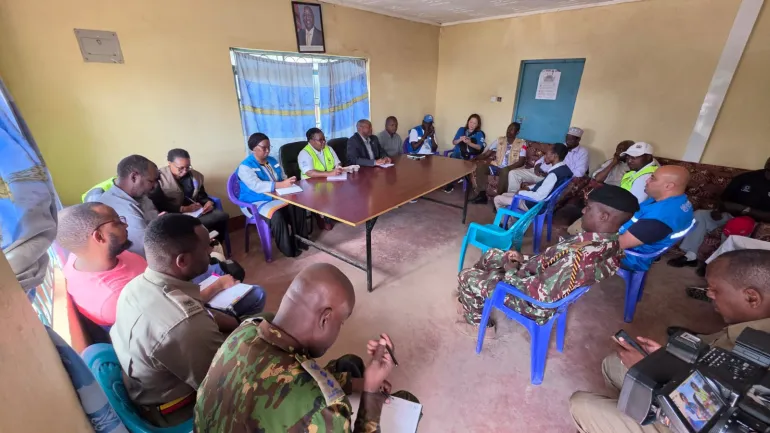
The number has since risen. During a meeting, Kenya Red Cross regional head Malik Adan said the number of people displaced by the conflict had increased from an estimated 36,000 to more than 50,000. The figure includes people living in temporary settlements as well as those staying with relatives and host families.
The assessment covered 758 households and involved government authorities, United Nations agencies, the Kenya Red Cross and other humanitarian organisations. The figures reflect different reporting periods.
The fighting is rooted in a long-standing dispute over land and administrative control between Ethiopia’s Oromia and Somali regional administrations. Tensions escalated around October 18 over the raising of the Somali regional flag in the disputed Moyale area, reflecting competing claims over territory and authority.
For those arriving in Kenya, the politics are secondary to the immediate question of where they will sleep and what they will feed their children.
Aid stretched on both sides
Mwasaru Mercy, Kenya’s acting commissioner for refugee affairs, told Al Jazeera that a multi-agency government team had been deployed to Moyale. The Department of Refugee Services is coordinating with local authorities and the UN High Commissioner for Refugees (UNHCR).
But gunfire could still be heard, Mercy said, raising fears of further displacement. Many arrivals need food, shelter, bedding and mosquito nets.
“There are no contingency food stocks specifically for this incident because it happened abruptly,” Mercy said.
Authorities are trying to mobilise humanitarian organisations and donors. A refugee camp has not been established because the security situation must improve first. The government is working with UNHCR to register arrivals and assess their needs.
Those affected include Ethiopians fleeing violence, traders, and Kenyans forced from their homes by stray ammunition, Mercy said.