US-Iran MoU is set to expire: What to know
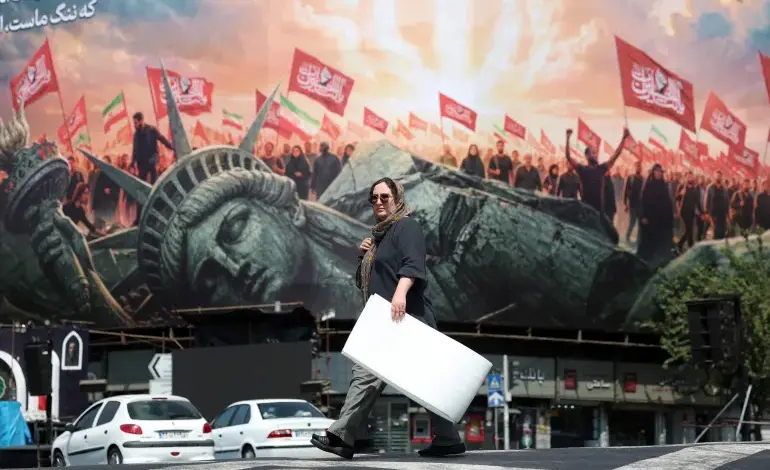
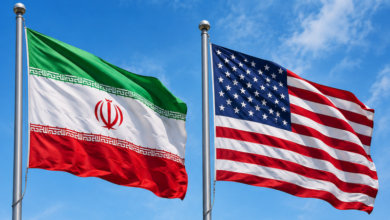
The Memorandum of Understanding aimed at ending fighting between the US and Iran is set to expire on Monday, with little sign that either side is willing to extend the agreement, which both sides have accused the other of violating for weeks.
“We have not yet made a decision to restart negotiations with the United States,” Iranian Foreign Minister Abbas Araghchi said in a post on Telegram on Saturday.
Meanwhile, mediators from Qatar and Pakistan continued to exchange messages with Iran. Araghchi added that Iran was working on a separate agreement with Oman to hash out new shipping routes in the Strait of Hormuz, but emphasised that this was only possible if a political solution was reached.
On the US side, President Donald Trump told supporters in New York on Friday that the US would soon claim the critically important waterway for itself.
Here’s what you need to know as the MoU expires.
What is the MoU?
The agreement, signed on June 17 by Trump and Iranian President Masoud Pezeshkian, followed rare high-level talks hosted by Pakistan. It was meant to bring an end to more than three months of war that had killed thousands and crippled commercial movement in the Gulf, especially oil and gas exports relied on globally.
Leaving complex issues such as Iran’s nuclear programme to be dealt with later, the agreement sought not only to find an immediate diplomatic solution to halt the war with Tehran, but also to find an end to conflict in Lebanon.
Iran and the US, the agreement said, “declare the immediate and permanent termination of military operations” and that a “final deal” would “confirm the permanent termination of the war on all fronts.” The agreement said this “final deal” would be endorsed by the UN Security Council and would be reached in a maximum of 60 days, which could be extended by mutual consent.