Why is US GDP growth slowing, and how can it be reversed?
United States economic growth slowed in the second quarter of 2026 amid a growing deficit and increasing inflationary pressures.
US gross domestic product (GDP) grew by 1.5 percent between April and June. That is a sharp decline from 2.1 percent growth in the first quarter of the year, according to a Bureau of Economic Analysis (BEA) report released on Thursday.
United States economic growth slowed in the second quarter of 2026 amid a growing deficit and increasing inflationary pressures.
US gross domestic product (GDP) grew by 1.5 percent between April and June. That is a sharp decline from 2.1 percent growth in the first quarter of the year, according to a Bureau of Economic Analysis (BEA) report released on Thursday.
A widening trade deficit is a key reason why GDP is slowing, as is a jump in petrol prices, experts say.
“It’s a classic supply shock. The combination of tariffs and oil price spikes is exactly what a macroeconomist would expect to happen,” Michael Klein, professor of international economic affairs at The Fletcher School at Tufts University, told Al Jazeera.
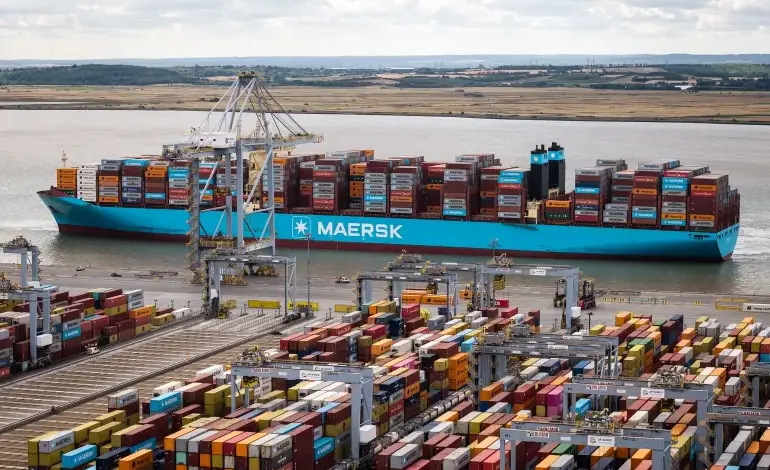
The US has increased purchases of goods like semiconductors, telecommunications equipment, and industrial equipment, according to BEA data. Business investment in equipment rose by more than 15 percent in the second quarter. Those are essentially the elements needed for the ongoing investment boom to support the growth of artificial intelligence (AI).
“Imports rose due to the investment and consumption driver, and so net exports were a drag on overall growth. Overall, the US is investing and consuming more but not producing more,” Rachel Ziemba, adjunct senior fellow at the Center for a New American Security, told Al Jazeera.
Exports have not kept pace. The trade deficit in May grew to $77.6bn, a 42 percent increase from the month before, according to BEA data.
Are US tensions with Iran a factor?
In the second quarter, energy prices fluctuated greatly over the past few months. For US consumers, that was mostly reflected in petrol prices. During the second quarter, US petrol prices hit $4.48 per gallon (3.78 litres) in May.
They later retreated to $3.96 per gallon by the end of June. But the reprieve was short-lived as a fragile peace deal failed to take hold, with petrol prices increasing throughout July after the deadline for data to be included in second-quarter GDP had passed. Prices have since moved back above the $4 mark
Petrol prices drove inflation for much of the second quarter. Between March and April, petrol prices jumped 5.4 percent. The next month, they jumped another 7 percent. They eased between May and June, falling 9.7 percent as global benchmark prices pulled back.
According to analysis from Bank of America, discretionary spending surged in June, the final month of the second quarter, as spending on products outside of petrol jumped while fuel prices temporarily eased.
“With gasoline prices easing in June, total card spending excluding gas surged 5.6% YoY [year over year] – also the strongest growth since April 2022,” the report said.
How can the GDP recover?
US consumers have ramped up spending on prescription drugs, automobiles like light trucks, and new furniture. There was also increased spending in areas like restaurants and hotels, suggesting that consumers remain somewhat resilient.
But, says Fletcher School’s Klein, that spending is by high-income earners, a trend that indicates a K-shaped economy, which is when the wealthy thrive, while lower-income consumers and small businesses face tougher economic conditions.
“The continued consumption growth of those who are better off depends upon things like the stock market staying strong and housing prices staying strong, because people feel wealthier through the value of their house or their stock portfolios, so they’ll spend more. But by a number of measures, the stock market seems to be very highly valued,” Klein, who also authors the EconoFact economic analysis website, told Al Jazeera.