Live from your living room: The rise of concert films and livestreamed gigs
The stage illuminates, the bass kicks in and your favourite musician appears on stage.
It’s an electrifying moment, and one you’ll remember for years to come.
But it’s become a whole lot easier to relive these moments as more concerts are turned into blockbuster films or livestreamed – for a fee – to fans across the world.
Looked at one way, everyone’s a winner. Music lovers get more chances to see their favourite artists perform, and the acts get another potential source of financial support.
But from another angle, it can look like yet another way to squeeze money out of audiences already paying premiums for tickets and merchandise.
BBC Newsbeat’s been speaking to fans, artists and some of the people behind big-screen concert experiences to get their views on the matter.
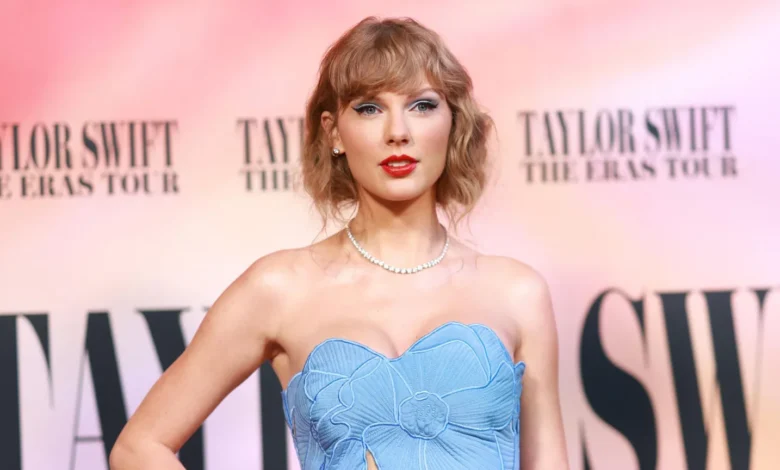
Concert films have been around for decades, but pop superstar Taylor Swift raised the bar with the record-breaking Eras Tour movie, which brought in more than $260m (£193m) globally, as reported by Variety.
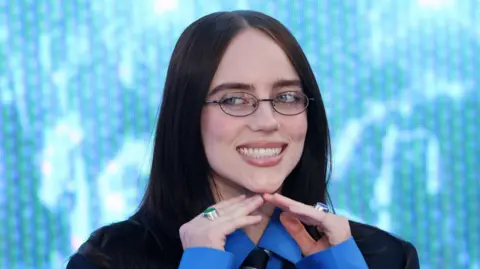
US singer Billie Eilish is set to shake up the space further with her new 3D concert movie, recorded in collaboration with Titanic and Avatar director James Cameron.
Captured during the Manchester leg of her Hit Me Hard and Soft tour, the star has said it’s a way for those who couldn’t make it to “experience it like they were there”.
Eilish superfan Haze Haunter was one of the lucky ones who got to see the Co-Op Live gig in person, but says she’s excited about seeing the film in cinemas and feeling “all those emotions again”.
The 25-year-old from Norwich admits it “doesn’t compare to being there in person” but can see the appeal as it gets harder – and more expensive – to get tickets for big shows.
Haze, who says she paid £50 less to see Eilish’s Happier Than Ever tour at a different venue in 2022, tells Newsbeat she will always try to “scrape up some pennies” to see her idol perform.
But she won’t be able to justify it forever if the cost does shoot up further.
She recognises tickets prices can be dictated by labels and management, but feels something needs to be done so more fans can still see their favourite artists live.
One potential solution becoming more prevalent is livestreamed shows, which can be watched without walking out of your front door.
But opinions vary on how much of a crowd-pleaser they’ll prove to be.
K-Pop megastars BTS grabbed headlines when their huge hometown comeback show pulled in about 18.4m global viewers on Netflix, according to the streamer’s own figures.
The group’s also been selling “livestream tickets” for other stops on its world tour.
Prices for its Japanese dates start at about $47 (£35) for a single show and rise to $114 (£84) for a two-day multi-screen pass.
Eilish fan Haze isn’t sold on the idea.
“If Billie charged for a livestream to watch her show, I wouldn’t pay for it. I wouldn’t,” she says.
“I love her, but no. I’d feel exploited. Like, you only see me as money and not a fan.”
But other fans are more receptive to the idea.
Martha Greenhough, who has been a BTS fan for about 10 years, was one of about 750,000 people who paid to watch the group’s Covid-19 lockdown era concert Bang Bang Con: The Live.
The 27-year-old from London says it was “such a fun and uplifting” moment during a bleak time.
She opted to watch the comeback show livestream in a cinema, where she experienced a “really fun” concert-like atmosphere with other fans.
However, she’d be “less inclined” to pay to watch one from her bedroom, she says.
But she does feel the concert films do a “really good job at humanising” the seven members, as well as showcasing the “massive productions”.
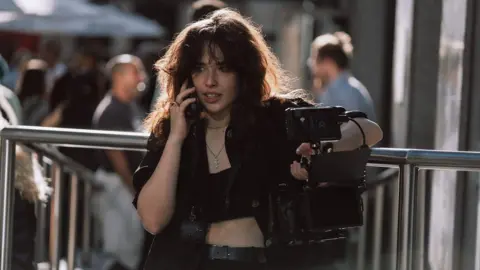
Videographer Violetta Coretnic, co-founder of content creation agency We Stream, tells Newsbeat the rising interest in livestreaming is probably motivated by “revenue and visibility” and a need for acts and their labels to “create a buzz”.
“They need to be on TikTok, Instagram, YouTube, everywhere they can possibly be as much as possible because this is how they create this affection from the fans,” she says.
“Because it’s not only ‘Oh, I like the song’, it’s also ‘I like the character, I like how they move, I like how they look, how fit they are and what journey they have’.”
The focus on being visible, and providing ever more ways for fans to interact with you and your music, is something that’s being felt at all levels of the industry.
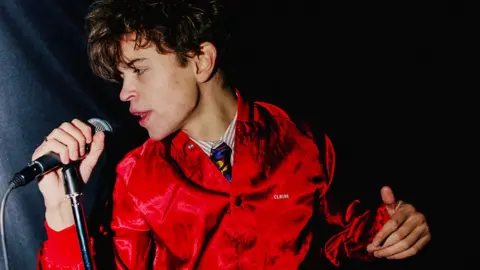
Up-and-coming musician Tom A Smith tells Newsbeat he loves watching big concert films for the insight they give him as a fellow performer.
But the 22-year-old, from Sunderland, would rather people spent time and money supporting independent acts at grassroots venues instead.
“That’s what makes music really special and important to people, its that connective experience you can have just seeing your favourite artists or a new band in front of you for the first time,” he says.
While he feels live music will always survive as its the “most exciting part of it” for many musicians, he can see how everything is moving more digitally.
“Sometimes it is quite scary as an artist to see that’s the way things are going,” he explains.
“There’s a lot of AI-generated music about now as well and I think the art is sometimes disappearing a bit.
“But it’s our job as new musicians to make sure we keep those new venues going and keep those opportunities to see live music around the corner from your house going.”