As bombing continues, Israel’s war aim in Iran becomes clear: Regime change
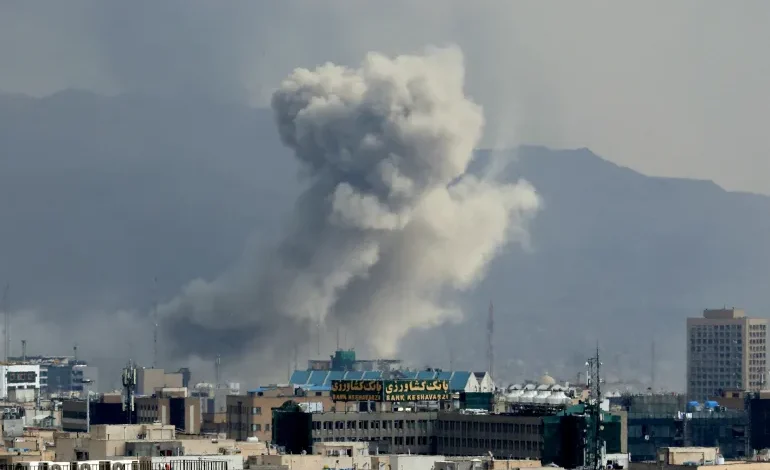
As its joint attack with the United States on Iran continues, Israel sees its task as the culmination of a longstanding policy on: ushering in regime change from within.
Taking to the airwaves in the wake of the killing of Iranian Supreme Leader Ayatollah Ali Khamenei on Saturday, Israeli Prime Minister Benjamin Netanyahu addressed the Iranian people directly, calling on them in Farsi to “come to the streets, come out in your millions, to finish the job, to overthrow the regime of fear that has made your lives bitter”.
“Your suffering and sacrifices will not be in vain. The help you wished for – that help has now arrived,” he said of the US-Israeli air strikes, which have already killed more than 555 people in Iran, including 180 at a girls’ school in the country’s south.
“The Israeli authorities don’t spell it out, but it is clear that what they want to see is a regime change in Iran,” said Ahron Bregman, a senior teaching fellow at the Department for War Studies at King’s College London, who had returned to Israel to research a book before the latest round of strikes took place.
“I’m stuck in Tel Aviv and spend many hours with Israelis in a local shelter. I’m taken aback by the strong support among these – mainly liberal – Israelis of the war,” he said. “They, like their leaders, believe that if you only topple the Iranian regime, the Middle East will totally transform for the better, which is, of course, nonsense.”
But there is a question of how invested Netanyahu and his allies are in ensuring that regime change in Iran is smooth.
Israeli officials know that Iran, including its opposition, has a diverse array of views and backgrounds.
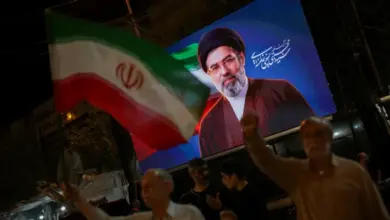
Many Iranians who have taken to the streets, including in the large protests that took place in January, are united only in their hostility to the government, with various factions calling for everything from the restoration of the monarchy to a full democracy. Others, however, are rallying on the government’s side after the attacks on their country and Khamenei’s killing.
Questions remain
“I think there’s a public opacity to Israel’s war aims,” former Israeli government adviser Daniel Levy told Al Jazeera. “My sense is that Israel has no real interest in smooth regime change. I think most [Israeli leaders] regard that as a kind of fairytale, though that’s not something Netanyahu and allies might be ready to admit publicly.”
“Israel’s more interested in regime and state collapse,” Levy noted. “They want Iran to implode, and if the spillover from that takes in Iraq, the Gulf and much of the region, so much the better.”
“They’ll have removed a significant regional counter to their freedom to act, leaving Israel and its allies free to remake the regions and, critically, to continue both killing Palestinians, and possibly even move against Turkiye, which is the next logical step,” he said, reflecting a recent rise in anti-Turkiye rhetoric in Israel, with politicians even characterising the country as the “new Iran”.
However, while public appetite for the war may be high, there is an understanding that the duration of that war might not be of Israel’s choosing.
The bulk of Israel’s military spending is underwritten by the US, where the attack on Iran is proving less than popular. Equally, in a world where many states had belatedly grown critical of Israel’s genocidal actions towards Palestinians – in particular in Gaza – US diplomatic heft has been vital in protecting its ally from criticism, and even wider sanctions.
How long the US’s allies in the Gulf are ready to withstand Iranian assaults on their territory in response to a war they had repeatedly cautioned against is far from clear. Equally, how long it might be before regional diplomatic pressure on US President Donald Trump begins to have an impact is also hard to predict, Levy warned.
“It’s fitting that this is the holiday of Purim, which also marks the survival of the Jewish people over a threat from Persia 2,500 years ago, and we still celebrate it today. People understand that,” Barak said.