What’s happening in Mali one week after attack by armed groups? All we know
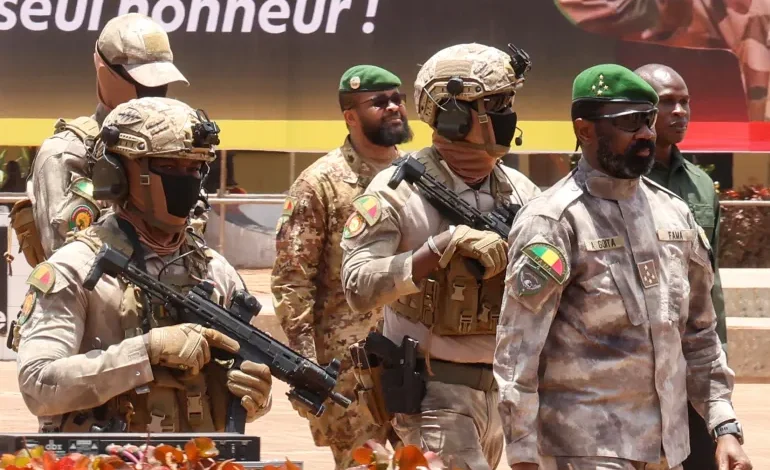
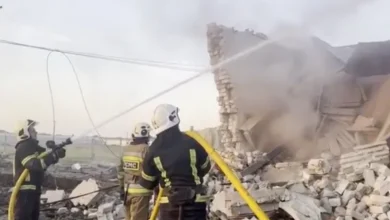
Almost a week after rival armed groups carried out a series of coordinated attacks across Mali, the country’s military government has begun restructuring and taking measures to secure the country.
On April 25, al-Qaeda-linked group Jama’at Nusrat al-Islam wal-Muslimin (JNIM) claimed responsibility for attacks on military sites across the country, including in the capital, Bamako. JNIM said it had “captured” the city of Kidal in the north in a coordinated operation with the Azawad Liberation Front (FLA), a Tuareg-dominated rebel group with which it has previously sparred.
The series of attacks marked one of the biggest security crises the country has faced since at least 2012. JNIM controls swaths of rural territory, especially in the northern and central regions of the country, and has active cells located around the capital.
Meanwhile, armed Tuareg separatists belonging to the Liberation Front for Azawad (FLA) group, which is fighting for an independent Tuareg nation in the north, are clashing with the military and allied Russian mercenaries who have been deployed since 2021. Together, FLA and JNIM control Kidal now, but they also want to take Gao, the largest city in the north, as well as Menaka and Timbuktu, to complete the self-declared state of Azawad.
Despite having differing ideologies and, at times, fighting each other, these two groups have sometimes worked together: They operate in the same areas and draw from the same pools of fighters from aggrieved communities.
What has the government done since the attacks last week?
The leader of Mali’s military government, Assimi Goita, has taken on the role of defence minister following the killing of the previous minister, Sadio Camara, in last week’s attacks by rebel groups, state TV channel ORTM reported on Monday.