US military deploys new one-way attack drone task force to Middle East
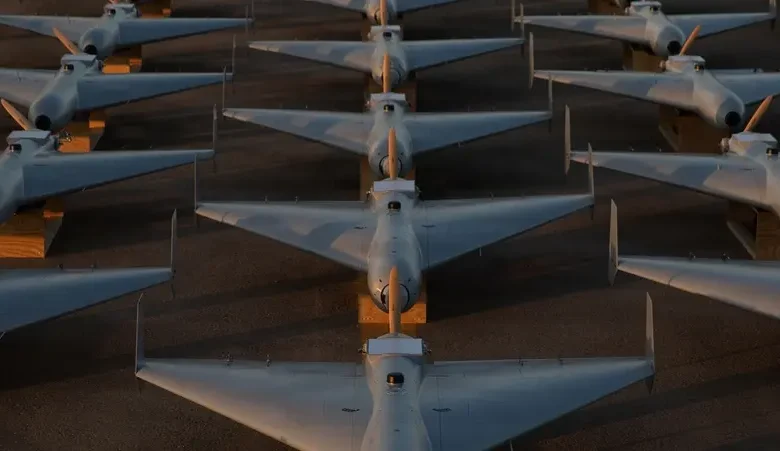
The US military has established and deployed a new task force dedicated to fielding one-way attack drones across the Middle East, the US Central Command (CENTCOM) announced Wednesday.
The formation of Task Force Scorpion Strike (TFSS) follows a directive issued earlier this year by Pentagon chief Pete Hegseth to accelerate the acquisition and deployment of cheaper, more effective capabilities for US forces operating in the region. The move also comes after hundreds of attacks under the Biden administration by Iran-backed militias and groups targeting US forces across Iraq, Syria, and elsewhere in the Middle East.
Those attacks, at least one of which killed US servicemembers, highlighted the need for faster, more adaptable defensive and offensive drone solutions.
According to CENTCOM, TFSS is designed to rapidly equip US troops with advanced unmanned systems tailored to counter current and emerging threats on the battlefield.

“Equipping our skilled warfighters faster with cutting-edge drone capabilities showcases US military innovation and strength, which deters bad actors,” CENTCOM commander Adm. Brad Cooper said in a statement.
As part of the rollout, the US has already deployed low-cost unmanned combat attack systems, known as LUCAS drones. The platforms offer long-range, autonomous operation and can be launched through multiple methods, including catapults, rocket-assisted takeoff, and mobile ground or vehicle systems.
CENTCOM says the initiative underscores a broader effort to modernize US force posture in the Middle East amid evolving threats and the increased battlefield reliance on unmanned systems.