US Federal Reserve raises rates by 25 basis points, first hike in three years
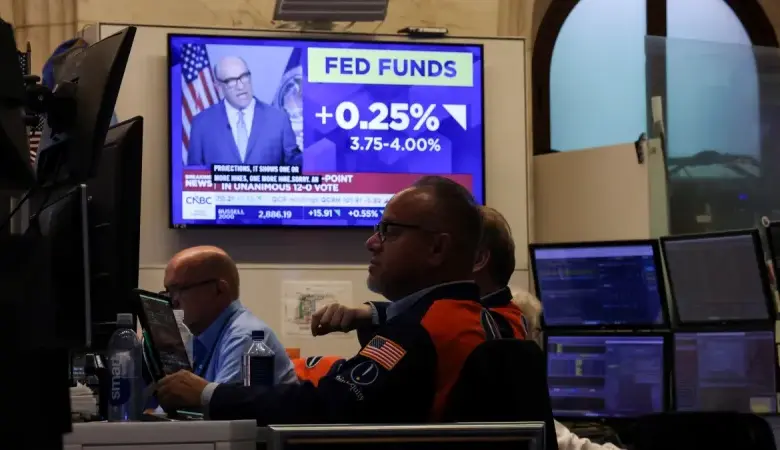
The US Federal Reserve raised its benchmark interest rate by a quarter percentage point on Wednesday, lifting the federal funds target range to 3.75%-4.00% in its first rate increase since July 2023 as persistent inflation and strong economic activity keep pressure on the central bank to tighten monetary policy.
The Federal Open Market Committee voted unanimously, 12-0, to raise rates. The Fed said economic activity was expanding at a solid pace, domestic spending remained resilient, productivity growth was strong, and capital investment was robust. It also said job gains had kept pace with the workforce and the unemployment rate had changed little, while inflation remained elevated.
The decision marks a sharp reversal from expectations earlier in 2026 that the Fed might continue cutting rates. Higher energy prices, import tariffs and strong investment, including spending linked to the artificial-intelligence boom, have contributed to renewed inflationary pressure. The conflict involving Iran and disruption around the Strait of Hormuz have also pushed energy prices higher, adding to concerns over the inflation outlook.
The Fed’s latest projections indicate that tighter policy may continue. Sixteen of the 18 policymakers expect at least one additional quarter-point increase by the end of 2026, while the median projection puts the federal funds rate at about 4.1% at year-end. The projections show the median rate remaining at 4.1% in 2027 before declining to 3.9% in 2028.
The Fed also raised its inflation forecast. Its preferred measure, the personal consumption expenditures price index, is now projected to rise 3.7% in 2026, up from the 3.6% forecast in June. The median projection does not see inflation returning to the Fed’s 2% target until 2029. At the same time, officials raised their 2026 GDP growth forecast to 2.3% from 2.2% and lowered their unemployment forecast to 4.1% from 4.3%.
The Fed said Wednesday’s decision was intended to support a “timelier” return of inflation to its 2% target. It did not provide specific forward guidance on its next move, leaving future decisions dependent on incoming economic data and financial conditions.
The rate increase is the first major policy move under Fed Chair Kevin Warsh, who took office in late May after being selected by President Donald Trump. Warsh has stressed the need to bring inflation back to 2% “clearly and at sufficient speed.” The decision comes despite Trump’s repeated calls for lower interest rates, renewing attention to the Federal Reserve’s independence as the November midterm elections approach.