UK caught between close US ties and international law after Maduro capture
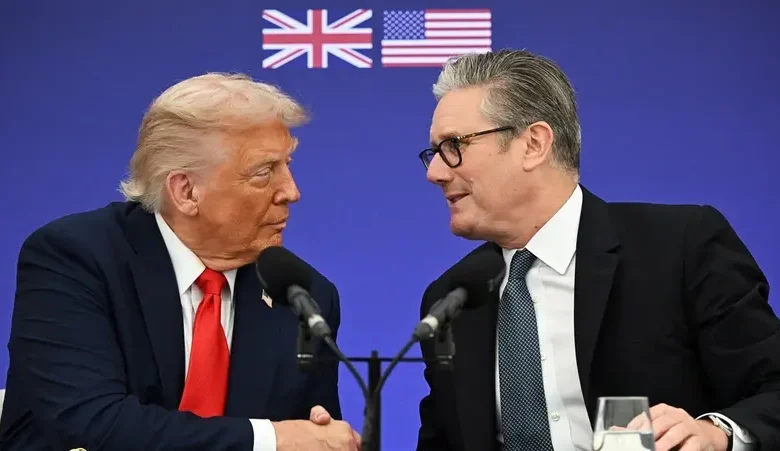
British Prime Minister Keir Starmer has said there would not be “many tears shed” over the end of Venezuelan leader Nicolas Maduro’s rule, following his capture in a US military operation.
The United States began 2026 with a dramatic foreign policy shift, launching a military operation on January 3 that led to Maduro’s arrest. In a covert overnight raid, an elite US Army special mission unit struck multiple military sites across the Venezuelan capital, Caracas, seized Maduro and his wife, Cilia Flores, from their heavily fortified residence, and flew them to New York to face trial. The pair have been indicted on several charges, including narco-terrorism conspiracy and conspiracy to import cocaine.
London has insisted it played no role in the operation. At Westminster, the response has fractured Parliament into three broad camps: those backing US President Donald Trump’s actions; those condemning them as a breach of international law; and those critical of Washington’s methods but supportive of Maduro’s capture.
Starmer’s position, however, appears to sit outside all three. He has so far avoided denouncing the US operation and has not spoken directly with Trump, leaving him navigating between Britain’s close alliance with Washington and its stated commitment to international law.
The UK has stood apart internationally. Britain is the only permanent member of the UN Security Council not to explicitly condemn the operation; China, Russia and France have all done so.
Asked whether Trump had violated international law, Starmer declined to comment, reiterating that few would mourn “the illegitimate president of Venezuela.” He stressed that international law remains vital and said it was up to Washington to justify its actions.
Parliamentary reaction
Following the White House announcement, several MPs voiced criticism. Labour MP Richard Burgon described Starmer’s stance as “shameful and reckless,” accusing him of abandoning international law to appease Trump.
Labour MP Kim Johnson also criticized the government’s response, questioning Starmer’s silence over what she called the “illegal US bombing of Venezuela and apparent abduction” of its president. She argued the operation was driven by Venezuela’s oil wealth and insisted international law must be upheld.
Addressing MPs on Monday, Foreign Secretary Yvette Cooper echoed Starmer’s comments, focusing on the brutality of Maduro’s regime to explain why “no tears” would be shed. She said she had raised the importance of international law with her American counterpart Marco Rubio, adding that it was for Washington to set out the legal justification for its actions.
In the same House of Commons session, Conservative Party leader Kemi Badenoch said her party understood why the US had acted, adding that her main concern was that Britain was increasingly not “in the room when big decisions are taken” as London had not been informed of the operation in advance.