UK Budget offers relief on energy bills and wages, but tax freezes hit middle earners
In October 2022, Britain’s inflation rate peaked at 11.1 percent – a 41-year high – pushing the cost of living to levels many households found unbearable. Since then, inflation has followed an overall downward trend, dropping to 1.7 percent in September 2024 – the lowest rate since the peak.
More recently, it held steady at 3.8 percent from July to September 2025 before easing to 3.6 percent the following month. Although this is far below the October 2022 peak, it remains high enough to cause further increases in the cost of living.
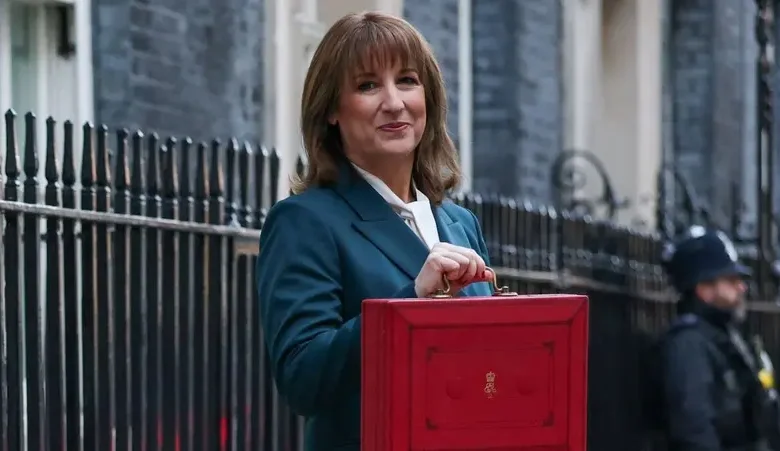
On Wednesday, Chancellor of the Exchequer Rachel Reeves announced the annual tax-and-spending statement – officially known as the Budget – for the upcoming financial year. People across the country gather with their loved ones on that day, hoping to see some form of relief to their income and assets, whether manifested through tax cuts or broader measures that ease day-to-day expenses.
On that same day, a Londoner told Al Arabiya English that the cost of living is “a crisis for a lot people” and that “there’s been a problem for a while now.” A pensioner, referring to the rising costs of groceries and energy, said many retirees relying on the state pension are having “to choose whether to eat or to heat.”
The Food Foundation’s Basic Basket Tracker shows how substantially grocery prices have risen since 2022: the price of an adult woman’s weekly food basket has increased by 27.7 percent, from just under £41 to around £52, while the adult man’s basket has risen by 30 percent, from about £44 to nearly £58, as of last week.
The Food Foundation’s Basic Basket Tracker monitors weekly changes in food baskets that make up “a reasonably costed, adequately nutritious diet,” and does not factor in promotions or discounts.
Post announcement, the UK government said on its official website that this year’s budget would deliver its promise to cut the cost of living by making “fair and necessary” decisions
The impact of the 2025 budget varies across different groups: train commuters, low-income households, and energy bill payers are set to benefit.
Between 2026 and 2029, energy payers will save an expected average of £150 a year after Reeves confirmed a small reduction from the annual household gas and electricity bill. The national minimum wage will increase in April, meaning low-income workers will see a rise to £12.71 an hour. Train commuters will see a freeze in regulated rail fares in 2026 for the first time in 30 years. Collectively, these changes are intended to improve living standards, by cutting household bills, increasing the income of low-paid workers, and containing some transport costs.
By contrast, some homeowners and workers are set to miss out on the Budget’s gains. Middle-income earners will be dragged into higher tax brackets as the Chancellor announced an extension of the tax threshold freeze until 2031, affecting income tax, inheritance tax, and capital gains tax. Homeowners of properties valued at more than £2 million will pay a new mansion text from 2029 onwards, with those in homes worth more than £5 million subject to a higher rate.
The extension of frozen tax thresholds and the new mansion tax are expected to add additional pressure to the cost of living for many working- and higher-income households, even if, for now, cheaper energy bills and frozen rail fares offer some short-term relief.