Trump’s Saudi ambassador nominee backs stronger ties, defends nuclear cooperation deal
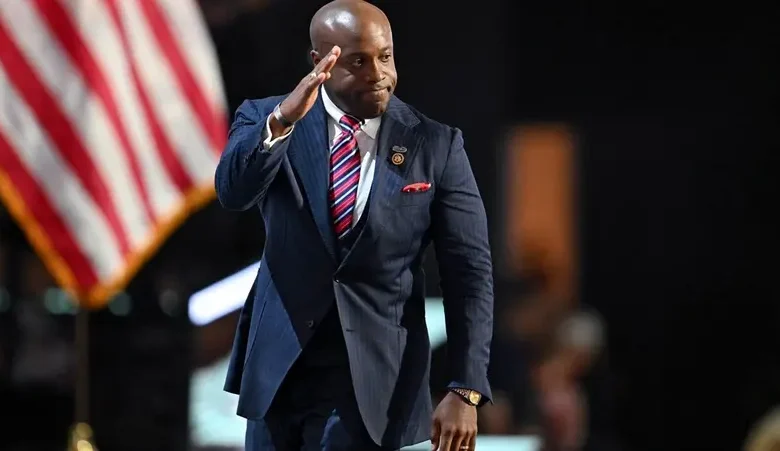
President Donald Trump’s nominee to become the next US ambassador to Saudi Arabia, Wesley Hunt, pledged Tuesday to deepen Washington’s strategic partnership with Riyadh while defending the administration’s approach to civilian nuclear cooperation with the Kingdom.
Speaking before the Senate Foreign Relations Committee, Hunt described Saudi Arabia as a cornerstone of US security and economic interests in the Middle East, highlighting opportunities to strengthen defense cooperation, expand trade and investment, and advance regional stability.
The Republican congressman from Texas, who previously served two tours in Saudi Arabia as a US Army diplomatic liaison officer, said the relationship remained critical to American interests.
Hunt pointed to Trump’s designation of Saudi Arabia as a major non-NATO ally and a strategic defense agreement, saying the initiatives would strengthen regional deterrence, expand burden-sharing and create opportunities for American defense companies.
Much of the hearing focused on the administration’s civilian nuclear cooperation agreement with Riyadh, particularly concerns over nuclear proliferation and the absence of certain safeguards sought by lawmakers.
Senator Jeff Merkley, a Democrat, pressed Hunt on whether Saudi Arabia should be required to forgo uranium enrichment and spent-fuel reprocessing and accept enhanced inspections under the International Atomic Energy Agency’s Additional Protocol.
Hunt said Washington should work toward achieving those standards but warned against allowing disagreements over safeguards to push Riyadh toward alternative nuclear partners.
“We cannot let perfection be the enemy of great,” Hunt said, arguing that Saudi Arabia could turn to China or Pakistan if Washington declined to cooperate.
Senator Jacky Rosen, also a Democrat, also questioned whether the nuclear agreement was contingent on Saudi Arabia normalizing diplomatic relations with Israel under the Abraham Accords.
Hunt described normalization as part of the broader negotiations but stopped short of confirming that it was a formal prerequisite.
He acknowledged the challenges surrounding normalization, particularly Saudi Arabia’s position linking diplomatic relations with Israel to progress toward a two-state solution.
Hunt said advancing normalization should remain a priority, alongside expanding economic ties and strengthening Washington’s strategic position in the region.
Saudi Arabia has repeatedly stated that establishing diplomatic relations with Israel is contingent upon a pathway towards a Palestinian state.