Trump says Iran deal ‘so close’, urges calm in Lebanon
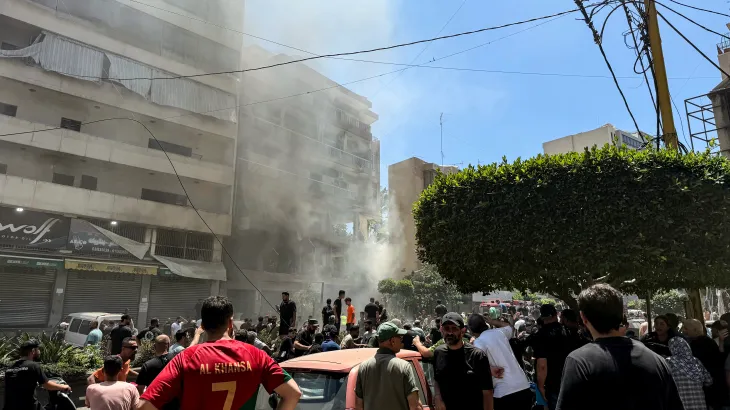
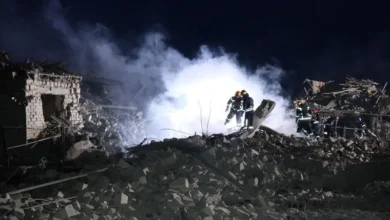
Israel has renewed air attacks on the southern suburbs of Lebanon’s capital, Beirut, despite a “ceasefire”.
The Israeli attack on Dahiyeh once again shows the US “either lacks the will to fulfil its commitments or the ability to do so”, Iran’s top negotiator Mohammad Bagher Ghalibaf says.
UN’s chief slams Israel’s Beirut attack at ‘crucial moment’
UN chief Antonio Guterres says that he “strongly” condemns Israel’s Beirut attack that “took place despite the ceasefire”.
He added in a post on X that the attack came “at a time when the US & Iran are expected to reach an agreement that will pave the way to a peaceful resolution of this conflict”.
The conflict was “having a devastating impact on the world’s economy”, he said, urging all parties to “show maximum restraint at this crucial moment”.
Israel tests US limits as it seeks to undermine deal: Israeli analyst
It’s no secret that Israel doesn’t want this deal, so it makes sense that it would test whether it can put a stop to it or whether the US will restrain it, says Gideon Levy, a columnist at Israeli news outlet Haaretz.
“If you’re Israel that wants the war to continue, that still sees these things exclusively through a military lens and wants to upend this deal, which doesn’t deliver the things that you pulled America into a war in the first place for, why wouldn’t you test again whether you can collapse this,” Levy told Al Jazeera.
“I think what the Israeli side is trying to do is hope that the deal is still collapsible. If not, at least play to their domestic political audience and leave as much open as possible on the Lebanese front.”
Israel is still occupying certain parts of Lebanon and is continuing evacuation threats and clearing out towns and villages, Levy said, adding that Israel wants to add to those numbers.
Iran warns ‘fingers are on the trigger’ as mistrust clouds US deal
The message we are hearing from the Iranian side is a two-sided one. While the country is saying that diplomacy tops the list of priorities, they are also saying that fingers are on the trigger.
Meanwhile, Iranian President Masoud Pezeshkian says the decision regarding peace or war is up to the Supreme National Security Council of the country and the supreme leader.
However, speaking of the general context, we have to also keep in mind that the cloud of mistrust in Tehran pertaining to a negotiated settlement has intensified after these developments, because they were saying from time to time that the ceasefire across the region, and in Lebanon in particular, is part and parcel of any deal to be reached.
While we were hearing that the deal is right around the corner, we just witnessed a new round of escalation, and Iranians are receiving it as a negative message.
And the Iranian foreign minister, Abbas Araghchi, explaining the details about this memorandum of understanding to be signed between the two sides, says that Iran is not going to leave Lebanon alone. This is a key factor among other sticking points out there when it comes to the potential for diplomacy to resolve all these issues.
This is a very volatile situation.