Russian oil exports slump as Ukraine hammers ports and refineries
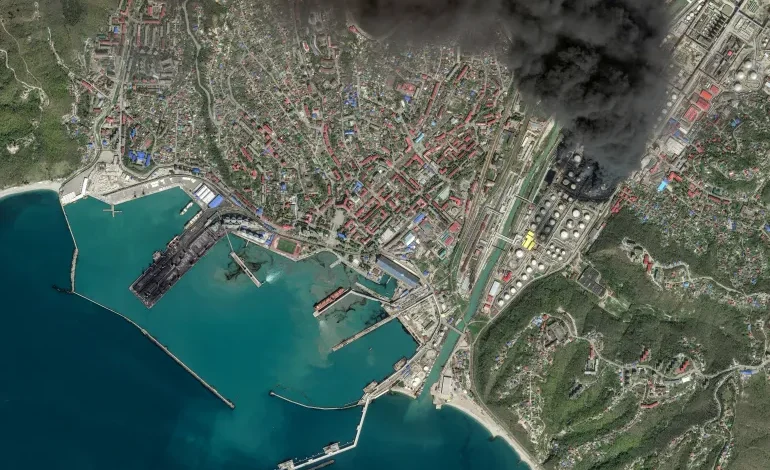
Ukraine has succeeded in depriving Russia of much of the windfall profits it would have made from oil exports during March and April, as the war in the Gulf sent prices soaring to above $100 a barrel, a series of sources suggest.
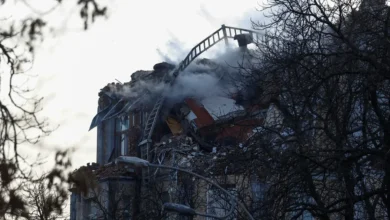
Ukraine intensified a long-range strike campaign against Russian port and energy infrastructure on March 21 in a calculated bid to prevent Russia from offloading oil onto tankers and to counteract the suspension of US sanctions on Russian oil, which had been in place since 2022.
“In March alone, Russia’s oil revenue losses from our long-range capabilities are estimated at no less than $2.3bn. In just one month. We continue this work in April,” Ukrainian President Volodymyr Zelenskyy said in a video address on Sunday, April 19.
Russia’s oil transhipments in March fell by 300,000 barrels a day, and refined products by 200,000 barrels a day, Ukraine’s foreign intelligence service cited S&P Global Platts as saying.
The US waived sanctions on Russian oil in early March after Iran closed the Strait of Hormuz to shipping in response to US and Israeli strikes, in order to ease pressure on global crude oil prices. On April 13, it renewed the waiver to May 16.
The waiver does not seem to have helped Russia much, and April may have been even worse than March, according to some reports.
Russian business newspaper Kommersant reported that exports had declined to “their lowest levels since the summer of 2024”.
“By the end of the month, they could fall to their lowest since 2023,” it added.
April exports were so weakened that Russia has been forced to cut crude production by 300,000 to 400,000 barrels a day, the Reuters news agency has calculated, adding that five sources backed that assessment.
Sweden’s military intelligence chief Thomas Nilsson told the Financial Times that Russia would need oil to remain above $100 a barrel for the rest of the year simply to address this year’s budget deficit, without fixing any of the other economic weaknesses engendered by four years of war.