Russia mobilisation fears grow amid reports of intimidating tactics
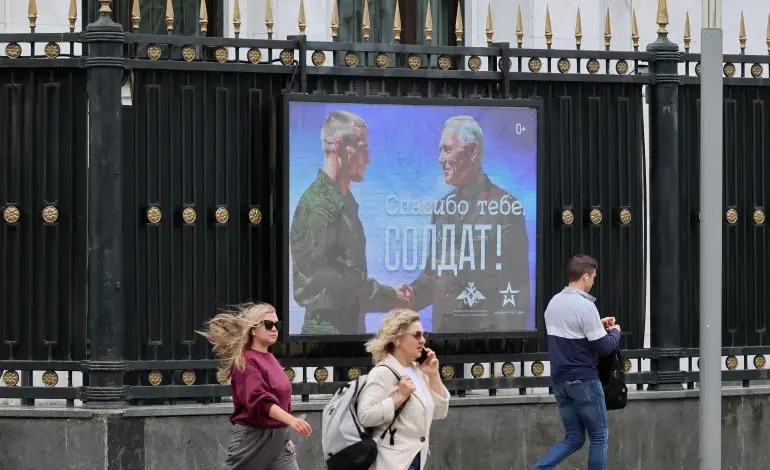
Owing to his illness, 26-year-old Sasha from Orenburg, a city in Russia close to the Kazakhstan border, has a Category V military ID, which under normal circumstances makes him ineligible for service.
But not during wartime.
Just before partial mobilisation was declared in 2022, he considered leaving for Kazakhstan. But while awaiting the bus, he struck up a conversation with his soon-to-be girlfriend.
As they turned back together, they decided against making the drastic move.
Over the past year, however, they have grown increasingly anxious.
“Since mid-2025, my girlfriend and I have been experiencing a severe decline in mental health. We see psychiatrists and take antidepressants,” Sasha told Al Jazeera.
He requested to be identified only by his first name to protect his anonymity.
“I don’t go outside unless it’s urgent and try never to be alone. I carry pepper spray for protection against aggression if it happens, like in Penza.”