Qatar LNG ships appear to abort bid to exit Strait of Hormuz
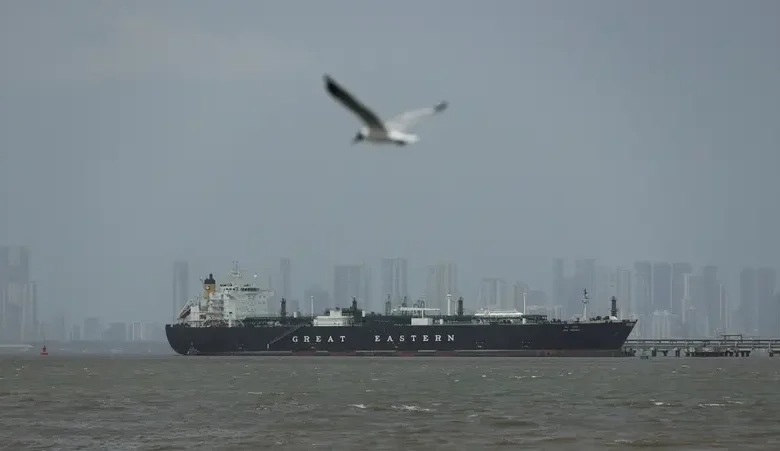
Two loaded liquefied natural gas carriers that had seemingly aborted an attempt to exit the Arabian Gulf via the Strait of Hormuz are now headed in the direction of Qatar.
The Al Daayen switched its intended destination to the emirate’s Ras Laffan late Monday, and is now traveling westward into the gulf, ship-tracking data show. Rasheeda signaled it’s waiting for orders while sailing in the same direction. Both tankers had said they were headed to Pakistan late on Monday.
Traders have been monitoring the tankers, as no LNG cargo has passed through Hormuz since the US and Israel began strikes on Iran in late February, although an apparently empty LNG carrier passed through the chokepoint over the weekend.
Before the conflict, about a fifth of the world’s LNG, mainly from Qatar but also smaller volumes from the United Arab Emirates, came from the Arabian Gulf.
Transit through Hormuz would be a shot in the arm for Qatar, even as the country’s Ras Laffan export plant has been shut for more than a month due to Iranian attacks.
It would allow the emirate to send more shipments that are already loaded and waiting within the Arabian Gulf, or offload fuel from storage.
The two tankers had picked up their cargoes from Ras Laffan in late February and made an apparent attempt to leave the gulf on Monday, with Al Daayen signaling that it was headed to China.
They appeared to be approaching the strait before making a U-turn a few hours later. The ships then switched their destinations to Pakistan as they lingered in waters off Abu Dhabi.
Tracking vessel movements around the Arabian Gulf can be inexact because of the potential for electronic interference with ship signals and the intentional disablement of transponders by pilots sailing through risky zones.
Seapeak manages Al Daayen, and Nakilat owns Rasheeda, according to ship database Equasis.
Neither company immediately responded to a request for comment.
QatarEnergy, which operates Ras Laffan, the world’s largest LNG export plant, didn’t immediately respond to a request for comment.
Iran has choked off transit through the waterway since US and Israeli strikes began, while allowing passage to its own ships or those it’s approved.
So far, no known Qatar-linked energy vessels have gone through the strait. In recent days, Tehran appears to have permitted the passage of vessels associated with countries seen as close to the US, including from France and Japan.