‘Opposite visions’: What to know about Colombia’s presidential election
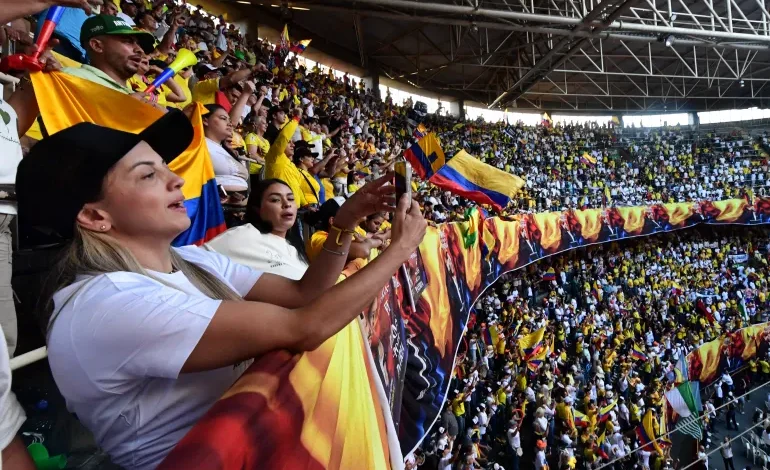
On Sunday, voters in the South American country of Colombia are facing a choice.
Four years ago, they elected the first left-wing president in the country’s modern history, Gustavo Petro. Now, they must decide whether to continue with Petro’s leftist push — or restore the political right to power.
Fourteen candidates will be on the ballot for the first round of voting in Colombia’s presidential election. The packed field includes contenders from the left, right and centre, who are slated to face off over issues like security and the cost of living.
But Petro will not be among them: Presidents in Colombia are limited to a single four-year term.
The right wing is expected to have the advantage, particularly if the race proceeds to a second round. Petro is struggling with low poll numbers, and voters have expressed frustration with crime and violence, driven in part by the country’s six-decade-long internal conflict.
But leftist candidate Ivan Cepeda has surprised observers, consistently placing at the top of the polls ahead of the first round.
When is the election, who are the candidates, and which issues are top of mind for voters? We look at those questions and more in this brief explainer.
When is the election?
The first round of voting is set to take place on May 31, 2026.
Will there be a second round of voting?
A candidate would need to win more than 50 percent of the vote in the first round to avoid a run-off.
If no single candidate meets that threshold, a run-off will be held between the top two finishers on June 21.