Maduro abduction shows influence, limits of US Secretary of State Rubio
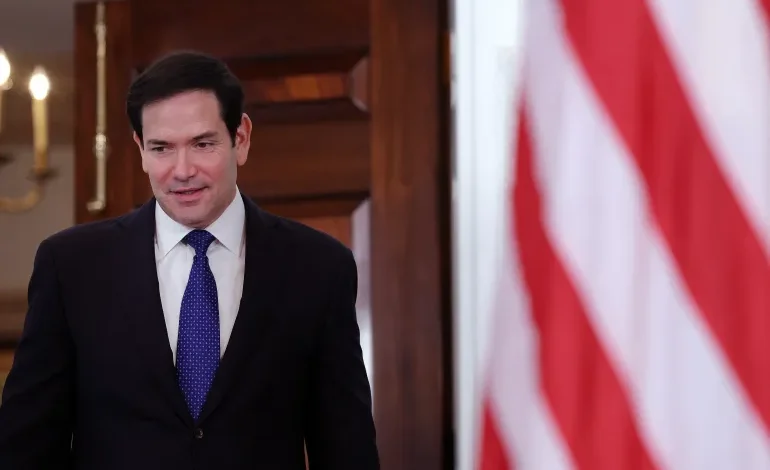
United States Secretary of State Marco Rubio has not been shy about his desire to see the toppling of Venezuelan President Nicolas Maduro.
Infamously, the former Florida senator even posted a series of photos of slain deposed leaders, including a bloodied former Libyan leader Muammar Gaddafi, as tensions with the US and Maduro’s government spiked in 2019.
But it was not until the second administration of US President Donald Trump that Rubio’s vision of a hardline approach to Latin America and his longtime pressure campaign against leftist leaders was realised – culminating on Saturday with the illegal abduction of longtime Venezuelan leader Maduro.
Experts say Rubio has relied on an ability to capitalise on the overlapping interests of competing actors within the Trump administration to achieve this, even as his broader ideological goals, including the ousting of Cuba’s communist government, will likely remain constrained by the administration’s competing ambitions.
“It took a tremendous amount of political skill on his part to marginalise other voices in the administration and elsewhere who were saying: ‘This is not our conflict. This is not what we stand for. This is going to upset our base,’” Alejandro Velasco, an associate professor of history at New York University, told Al Jazeera.
Those agendas included Trump’s preoccupation with opening Venezuela’s nationalised oil industry, US Secretary of Defense Pete Hegseth’s desire for a more pugilistic military approach abroad, and adviser Stephen Miller’s fixation on migration and mass deportation.
“So that’s the way that Rubio was able to bring into line not quite competing, but really divergent agendas, all of them to focus on Venezuela as a way to advance a particular end,” Velasco said.
A hawk in ‘America First’
A traditionalist hawk who has regularly supported US military intervention in the name of spreading Western democracy and human rights abroad, Rubio initially appeared to be an awkward fit to be Trump’s top diplomat in his second term.
His selection followed a campaign season defined by Trump’s vow to end foreign wars, eschew US-backed regime change, and pursue a wider “America First” pivot.
But the actual shape of Trump’s foreign policy has borne little resemblance to that vision, with the administration adopting a so-called “Peace Through Strength” doctrine that observers say has resulted in more room for military adventurism. That has, to date, seen the Trump administration launch bombing campaigns against Yemen and Iran, strike armed groups in Nigeria and Somalia, and attack alleged drug smuggling boats in the Caribbean.
The approach of Trump 2.0 has more closely aligned with Rubio’s vision of Washington’s role abroad, which has long supported maximum-pressure sanctions campaigns and various forms of US intervention to topple governments.