Israeli forces push past Lebanon’s Litani River: How significant is it?
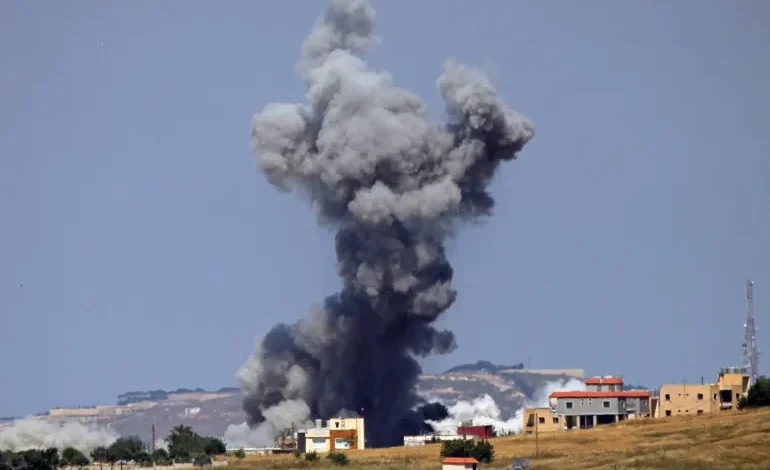
Israeli forces have reached the outskirts of the southern Lebanese city of Nabatieh and captured the strategic Beaufort Castle despite a ceasefire agreement in place since April, as analysts warn Israel is laying the groundwork for long-term control of territory inside Lebanon.
The advance marks Israel’s deepest incursion into Lebanon in more than a quarter of a century. Israeli forces now occupy about 2,000 square kilometres (770 square miles) of Lebanese territory – nearly one-fifth of the country.
Israel initially said its objective was to remove Hezbollah fighters from areas south of the Litani River closer to its border. But its forces are now operating well beyond that line, with the Israeli military issuing evacuation orders extending as far north as the Zahrani River (around 10km or 6 miles north of the Litani River), further expanding its military control.
Israeli troops have reached the towns of Zawtar al-Sharqiyah and Choukine on the outskirts of Nabatieh – a Hezbollah stronghold – while Lebanon’s National News Agency reported that Israeli strikes on Deir ez-Zahrani at dawn on Sunday killed several people.
The advance towards the north comes as Israeli and Lebanese officials continue US-mediated talks aimed at reaching a permanent end to the conflict, while outlining plans to disarm Hezbollah, which has slammed the negotiations amid Israeli attacks.
Meanwhile, a parallel tenuous ceasefire between Washington and Tehran has become increasingly tied to developments on the Lebanese front, with Iranian officials warning that an Israeli withdrawal from southern Lebanon is a prerequisite for any meaningful progress in negotiations between the two countries to end the US-Israel war on Iran.
Why Nabatieh matters
The continued advance into southern Lebanon follows blanket evacuation orders issued for Nabatieh earlier this week, as well as similar orders covering the coastal city of Tyre.