How will the war on Iran impact the US economy?
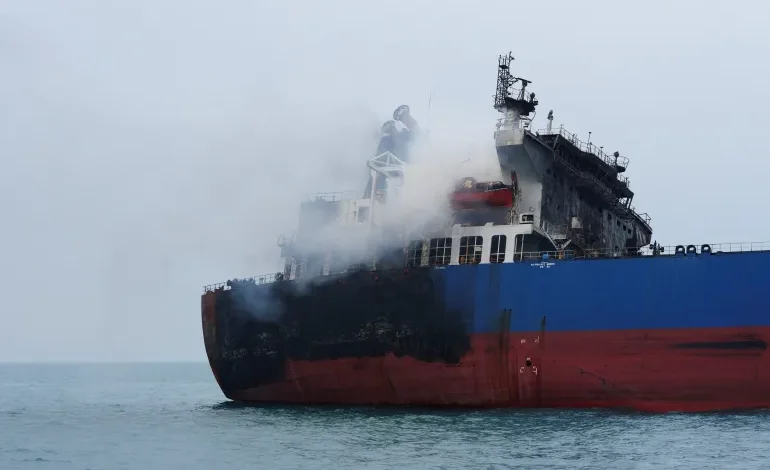
Trump’s declaration comes even as the Strait of Hormuz remains closed, cutting off oil from the Gulf amid warnings from Iran, which continues to strike ships, that oil could reach $200 per barrel.
Oil prices spiked above $100 per barrel on Sunday and again today.
The magnitude of the economic pressure on consumers will depend on how long the war lasts and, crucially, how soon shipping traffic can return to the Gulf.
“If it drags on and especially if it remains at this intensity, prices will be higher, and more volatile for consumers,” said Rachel Ziemba, an adjunct senior fellow at the think tank Center for a New American Security.
“If it ends quickly, and it’s a credible and stable end, then we could see prices fairly quickly normalising”.
If the war lasts more than a few weeks, however, observers say the US economy is more likely to see deepening impacts, like 1970s-style “stagflation” or a recession.
When might we see a recession?
On Thursday, the International Energy Agency said in a report that “the war in the Middle East is creating the largest supply disruption in the history of the global oil market.”
According to Sam Ori, who directs the Energy Policy Institute at the University of Chicago, in the past, when oil prices have reached 4 percent to 5 percent of gross domestic product and stayed elevated, “that’s always triggered a recession.”