‘De-escalation’: Europe hesitates as US pushes for Hormuz naval mission
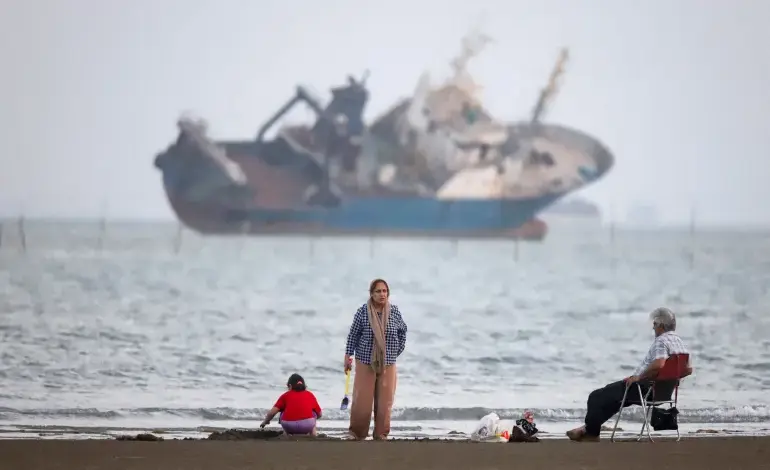
The United States has spent months trying to forge an international naval coalition to escort vessels through the embattled Strait of Hormuz.
But Washington’s European allies, including the United Kingdom and France, who previously agreed to head such a mission in the event of a sustainable truce, appear reluctant to move forward, even as ongoing disruption in the vital waterway strains the global economy.
Analysts say the stalled coalition effort reflects deep caution among European governments about becoming entangled in an unpredictable conflict they neither initiated nor supported, particularly without clear backing from Gulf partners.
“Neither UK nor France has much appetite for being drawn into a confrontation with Iran on behalf of others, particularly if there is no clear regional demand for it,” HA Hellyer, a senior fellow at the Royal United Services Institute and Center for American Progress, told Al Jazeera.
UK, US ‘aligned’ on Hormuz
The US first raised the idea of an international maritime coalition to secure shipping in the waterway in March, as President Donald Trump called on allies, as well as China, to send warships as part of the effort.
Most countries initially declined or were noncommittal, though the UK and France left the door open to participating.
US officials continued to promote the idea of a maritime coalition as its war against Iran dragged on, as Trump lambasted US allies for what he deemed insufficient support for Washington in the conflict.
In mid-April, then-British Prime Minister Keir Starmer announced plans for the UK and France to lead an international mission to secure shipping in the strait, stressing it would be “strictly peaceful and defensive”.