Navigating Modern Pharmacy Services and Specialized Care
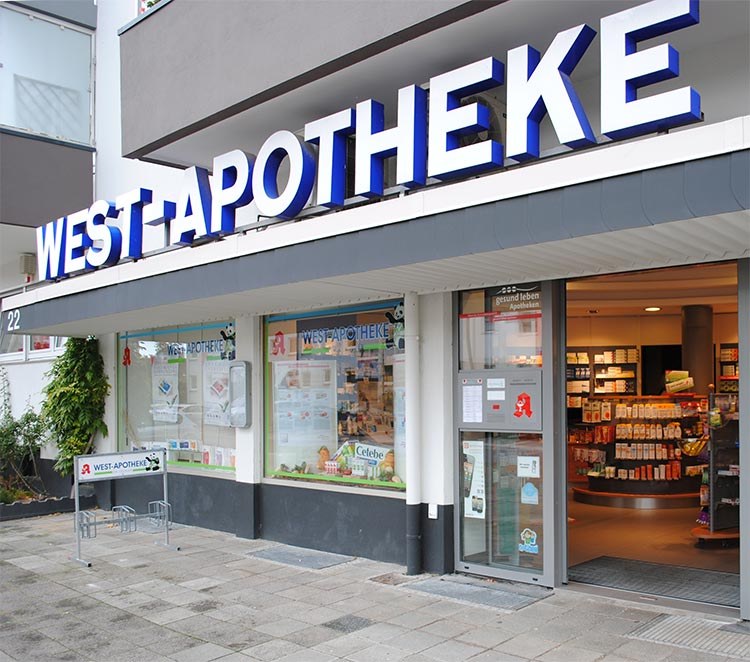
Many people believe that a pharmacy is just a place where you pick up a bottle of pills and leave. They think it is a simple transaction, a quick stop between errands where a person in a white coat hands over a plastic container. But that view is outdated and misses the actual utility of modern pharmaceutical care.
A pharmacy is actually a clinical checkpoint. It is where the doctor’s intent meets the patient’s reality. It is the final safety net in the healthcare chain, catching errors in dosage or potential drug interactions before they reach your bloodstream. When you walk into a pharmacy, you are walking into a specialized medical environment designed to manage your biological chemistry.
Whether you are looking for a neighborhood drugstore or a specialized clinical provider, understanding how these services differ is vital for managing your health effectively. From basic prescription fulfillment to complex dermatological treatments or vaccinations, the landscape is broader than most realize.
What distinguishes a standard retail pharmacy from a specialized provider?
Standard retail pharmacies are the workhorses of the community. They handle the high volume of daily prescriptions like Atorvastatin or Ibuprofen. You likely visit them for maintenance medications that keep chronic conditions like high blood pressure in check. They focus on accessibility and speed, ensuring that your routine medications are ready when you arrive.
Specialized pharmacies take a different approach. They often focus on specific medical conditions or complex medication regimens that require more hands-on consultation. For instance, some pharmacies specialize in skin conditions. A provider like Apotheco Pharmacy in Delray Beach, FL, focuses on specific dermatological treatments, including options for Atopic Dermatitis (Eczema), Psoriasis, and Rosacea. They aren’t just handing over bottles; they are managing specific, often sensitive, dermatological care.
Then there is the community health aspect. Some locations act as localized medical hubs. For example, HEALTH PHARMACY in LEMOORE, CA, offers specialized services like administering vaccinations, which turns the pharmacy into a primary preventative care site. This moves beyond just “filling” and into “protecting.”
Understanding where your needs fall on this spectrum can save you significant time. If you need a common antibiotic, a local drugstore is fine. If you are managing a complex autoimmune skin condition or need specific immunizations, a specialized or clinic-adjacent pharmacy might be better. It is worth checking which provider handles your specific condition before making a long drive.
The choice matters for your wallet too. Specialty pharmacies often have different insurance protocols than high-volume retail chains. Knowing this beforehand prevents surprises at the checkout counter.
How can I find the right local pharmacy for my specific needs?
Finding a pharmacy is easy, but finding the *right* one requires a bit of detective work. If you live in a dense area like Los Angeles, you have plenty of options, but they aren’t all built for the same thing. You might see a highly-rated shop like John’s Shop Rite Pharmacy and Medical Supply, which has a 4.9 rating from hundreds of reviewers, or a smaller local option like Anderson Pharmacy. The difference often lies in their inventory and their hours.
Local presence is a huge factor. You want a pharmacy that is actually open when you have a medical crisis at 8:00 PM. Many people assume pharmacies follow standard bank hours, but that isn’t always the case. You should always verify the closing times of your local options before you make a late-night trip. It sounds simple, but it is a frequent source of frustration for patients.
For those who require specialized care, you might need to look toward larger clinical networks or specialized clinics. For example, some patients may find themselves navigating the resources available through www.west-ost-med.at when seeking specific medical guidance or specialized pharmaceutical support. The goal is to match the pharmacy’s expertise with your specific diagnosis.
I suggest checking the NPI (National Provider Identifier) or looking at professional reviews to see if the pharmacist is highly involved in community health. Some pharmacies are better for quick refills, while others are better for deep consultations. It is a balance of convenience versus expertise.
- Check insurance compatibility before your first visit.
- Inquire about delivery options if you have mobility issues.
- Ask if they offer home delivery or curbside pickup.
- Verify if they provide specialized services like vaccinations.
- Look for high ratings regarding customer service and wait times.
What are the different types of pharmacy services available today?
The industry is not a monolith. It is segmented into several distinct models, each serving a different part of the patient journey. If you try to use a “fast-service” pharmacy for a “high-touch” medical need, you might end up frustrated. You need to know what you are looking for.
First, you have Community Retail Pharmacies. These are your neighborhood shops. They are the most common. They handle the bulk of prescriptions and often sell over-the-counter (OTC) medications, bandages, and basic medical supplies. They are designed for high efficiency and high volume.
Second, there are Specialty Pharmacies. These are the ones I mentioned earlier, like those focusing on dermatology. They deal with “high-touch” medications, drugs that might require refrigeration, special handling, or intensive monitoring. They often act as a bridge between your specialist doctor and your home.
Third, you have Hospital Pharmacies. These are tucked away inside medical centers. They focus on inpatient care, preparing medications for patients who are currently admitted to the hospital. Their workflow is entirely different from a retail shop; they work closely with hospital doctors to manage acute, life-threatening conditions in real-time.
Lastly, there are Clinical or Managed Care Pharmacies. These are often more administrative. They focus on the data side of things, ensuring that different doctors aren’t prescribing conflicting medications and managing how insurance companies pay for large quantities of drugs. It is the “behind the scenes” work that keeps the whole system from collapsing under its own weight.
It is a complex system. Use the table below to see which type might suit your current situation.
| Pharmacy Type | Primary Focus | Best For… |
|---|---|---|
| Retail/Community | Convenience & Volume | Refilling common prescriptions and OTC needs. |
| Specialty | Complex Conditions | Dermatology, oncology, or rare diseases. |
| Hospital | Inpatient Care | Patients currently admitted to a medical facility. |
| Clinical | Data & Insurance | Managing complex drug interactions and coverage. |
Can a pharmacist do more than just fill my prescription?
There is a massive misconception that pharmacists are just highly educated “pill counters.” This is a reductive view that ignores their training and their clinical value. In many modern settings, pharmacists are frontline healthcare providers who provide advice and clinical intervention without you ever needing a doctor’s appointment.
One major service is immunization. Many pharmacies, such as those in Lemoore, CA, are authorized to administer vaccinations. This makes them a primary tool for public health, handling everything from the flu shot to shingles vaccines. It saves you a trip to the doctor and often a co-pay as well. It is efficient and effective.
Another aspect is medication therapy management. A good pharmacist will look at your entire list of medications and say, “Wait, you shouldn’t take this with that.” They catch the errors that happen in the communication gap between your primary care doctor and your specialist. This is where they actually save lives. They are the final barrier against accidental drug interactions.
And they provide counseling. If you are starting a new medication, the pharmacist can explain the side effects, the best time of day to take it, and what to do if you miss a dose. This isn’t just “nice to have”—it is vital for ensuring you actually get better. If you aren’t asking questions when you pick up your meds, you are missing out on a huge part of the service.
But don’t be shy. If you don’t understand something, ask. It is their job. They are literally paid to be the experts in how chemicals interact with your body. Using them as a resource is one of the smartest ways to manage your own health without spending a fortune on extra office visits.
Is specialized care worth the extra effort?
When you are dealing with a standard ailment, like a common cold or high cholesterol, the standard retail pharmacy is your best friend. You want speed and proximity. You want a place where you can swing by on your way home from work and be in and out in ten minutes. In these cases, the “specialty” aspect is unnecessary complexity.
However, if you are managing something like Psoriasis or a complex wound care issue, the specialized approach is worth every extra minute of effort. These conditions often require specific topical treatments or medications that a standard, high-volume drugstore might not keep in stock. A specialized pharmacy is more likely to have the specific brand or formulation you need.
The level of consultation also changes. Specialized providers are accustomed to the specific side effects and lifestyle impacts of the drugs they dispense. They can offer advice on how to manage skin irritation or how to store a medication that is extremely temperature-sensitive. This level of detail is often missing in the “conveyor belt” environment of a massive retail chain.
You have to match your provider to your condition. Don’t try to force a square peg into a round hole. If your healthcare provider tells you that you need a specific type of care, follow that advice. It might mean a slightly longer drive or a different pharmacy, but the clinical outcomes are worth it.
Choose the tool that fits the job.