The High Cost of Second Chances: Navigating Fixed Rate Personal Loans with Less-Than-Perfect Credit
You’re staring at a pile of medical bills or maybe a car repair estimate that feels more like a ransom note than a quote. Your credit score isn’t where you want it to be, maybe it’s a 560 or a 590, and every time you check a lender’s website, the numbers seem to jump. You need a lump sum of cash to get things back on track, but the math just isn’t working in your favor.
It’s a frustrating loop. You need the money to fix the very things that are dragging your score down, but the people who lend money have basically closed their doors. We’ve seen this play out many times: people searching for a loan that won’t just lead to a new debt spiral.
The reality of today’s lending market is blunt. If your credit is in the “bad” category, you aren’t out of the game, but the price of entry is high. You’re essentially paying a premium because you represent a higher risk to the bank.
The Math Behind the Risk Premium
Lenders aren’t charities; they’re mathematicians. When they see a profile with a low score, they see a statistical probability of default. To cover that risk, they adjust their pricing. It’s simple, if it is a bit punishing, arithmetic.
According to data from Bankrate, many bad credit personal lenders set APRs as high as 35.99%. This means if you borrow a significant amount, you could end up paying back nearly double what you originally took out over the life of the loan.
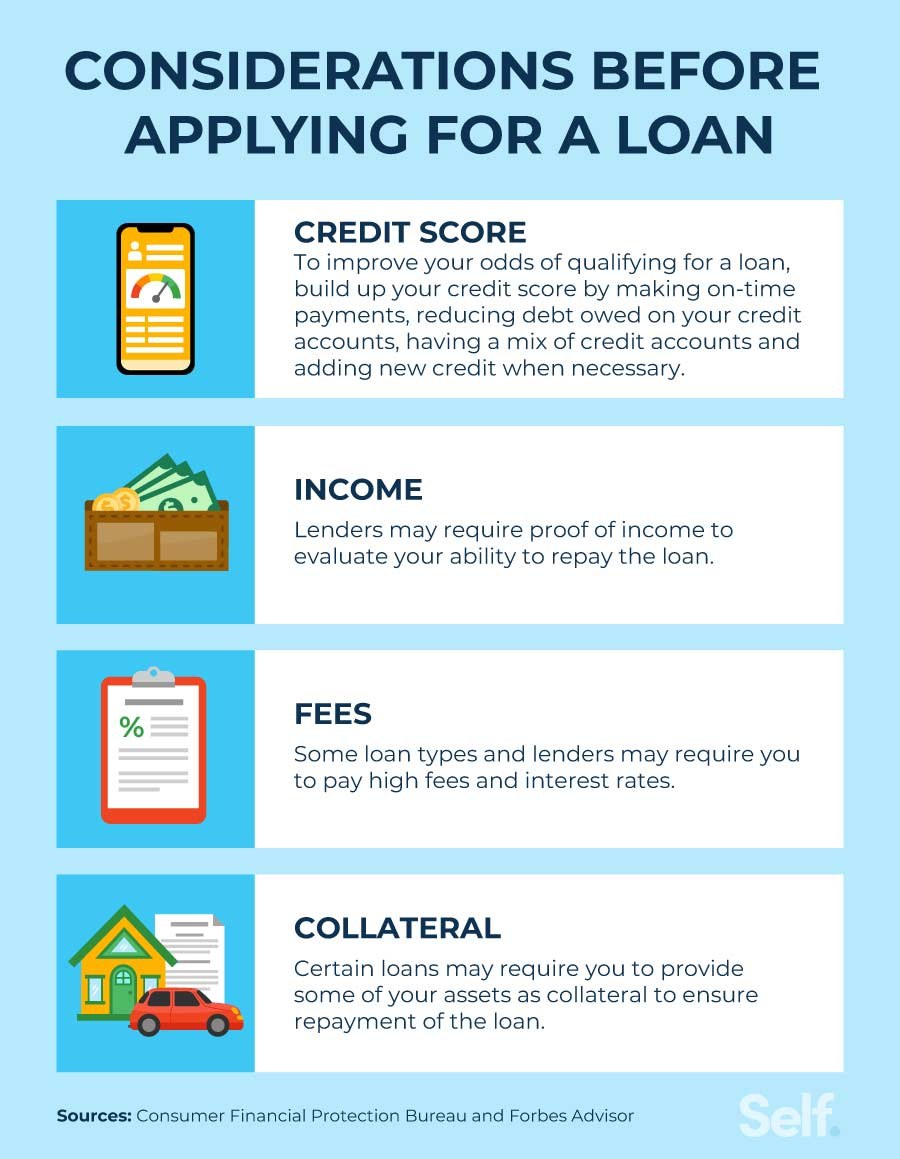
The math gets even messier when you factor in origination fees. It’s not just the interest rate that bites; it’s the upfront cost. You might see an offer that looks manageable, but then you realize there’s a 5% fee tucked away in the fine print.
| Loan Feature | Standard Credit (700+) | Bad Credit (Under 580) |
|---|---|---|
| Typical APR | 6% – 15% | 25% – 35.99% |
| Origination Fees | 0% – 3% | Often 5% or higher |
| Loan Amounts | $1,000 – $50,000+ | $1,000 – $35,000 |
So, why would anyone pick these terms? Usually, it’s because they don’t have another choice. A high-interest loan is often the only bridge between a manageable crisis and a total financial collapse.
When you’re comparing options, look at the total cost of borrowing. A lower monthly payment might seem like a relief, but if that payment is stretched over a longer term, you’re basically handing the lender your future income just to get a few months of breathing room.
Where to Look When Traditional Banks Say No
Big-box banks are notorious for their rigid algorithms. If your score doesn’t hit a specific number, their system often rejects the application before a human even looks at it. That doesn’t mean you’re out of luck, but it does mean you have to look elsewhere.
Some lenders specialize in the “subprime” market. These institutions build their entire business around the high-risk/high-reward profile. They want people who have a steady income but a messy credit history.
In states like California, there’s a specific market for this. Some lenders cater specifically to those with scores under 580. This niche is essential for people who need to consolidate high-interest credit card debt into one predictable payment.
If you need to lock in a specific monthly amount to manage your budget, fixed rate personal loans are often the safest way to handle high-interest debt. Fixed rates mean your payment won’t fluctuate if the broader economy shifts, which is a small comfort when cash is tight.
Peer-to-peer (P2P) lending is another option. Instead of a bank, you’re borrowing from individual investors. These people might be willing to take a chance on you if your income is solid, sometimes offering rates that are more competitive than a standard lender.
The Hidden Traps in the Fine Print
It’s easy to get caught up in “instant approval” marketing. Those ads promise money in your account by tomorrow morning. While that can be true, it’s rarely a free lunch. The speed of the transaction often correlates directly with how much the capital costs.
One of the biggest pitfalls is the difference between the APR and the interest rate. The interest rate is what they charge on the principal. The APR is the total cost, including those pesky origination fees and other closing costs. If you only look at the interest rate, you’re flying blind.
Consider this: you need $5,000. A lender offers a 29% interest rate with a 5% origination fee. That fee is often taken out of the loan proceeds. You might ask for $5,000, but only see $4,750 hit your bank account, even though you still owe the full $5,000 plus interest.
Is it worth it? It depends on what the money is for. If you’re using a 30% APR loan to pay off a 35% APR credit card, you’re technically winning. If you’re using it to fund a vacation, you’re digging a hole that might never close.
Always ask these questions before signing:
* Is there a prepayment penalty? (You want to be able to pay it off early without being fined).
* Is the interest rate truly fixed for the entire term?
* What is the exact dollar amount of the origination fee?
* Can I see a full amortization schedule?
Strategies to Lower Your Cost of Capital
If you qualify for a loan, you should still fight for a better rate. The credit score you have today isn’t the score you’ll have in six months. If you use the loan to pay off delinquent accounts or reduce your credit utilization, your score might climb quickly.
Wait for the right moment to apply. If you’re in the middle of a big life change, a new job, a move, or a change in marital status, it can complicate things. Lenders like stability. They want to see that your income is consistent and predictable.
Sometimes, the best move is to find a co-signer. Having someone with a solid credit history vouch for you can drop your interest rate significantly. It’s a heavy ask, since that person becomes legally responsible if you fail to pay, but it is a powerful way to lower your borrowing costs.
If the personal loan market is still too expensive, look at alternatives. Sometimes, a secured loan, where you put up an asset like a vehicle title as collateral, can get you a much better rate. It’s a risk because you could lose the asset, but it is often a mathematically sounder choice than a high-interest unsecured loan.
The goal is to use the debt to build a foundation, not a monument to your past mistakes. If you manage the repayment strictly, you’re essentially buying a path back to financial health.
The way forward requires a cold-eyed look at the numbers and a refusal to be intimidated by the fine print.
Questions people ask
Can I get a fixed rate personal loan with bad credit?
Yes, many lenders offer fixed rate personal loans for individuals with bad credit, providing stable monthly payments that do not change over the life of the loan.
How much would a $5000 personal loan cost a month?
The monthly cost depends on your interest rate and term length, but a $5000 loan typically ranges from $150 to $300 per month depending on the repayment period.
Is Zippyloan a direct lender?
Zippyloan typically acts as a marketplace or platform that connects borrowers with various lenders rather than serving as a direct lender itself.
How to get 20,000 RS instantly?
To get 20,000 RS quickly, you should apply through digital lending apps or instant credit providers that offer automated underwriting and rapid disbursement.
What's the worst debt you can have?
High-interest credit card debt is often considered the worst due to compounding interest rates that can lead to a cycle of unsustainable debt.