Syria set to emerge as Hormuz bypass option for Iraq’s crude oil
Syria is set to provide a route for Iraqi crude exports to avoid the hazardous Strait of Hormuz, with a stream of trucks being lined up to haul oil overland to a port on the Mediterranean Sea.
The Iraqi government asked Syria to help with the export of crude in addition to existing flows of fuel oil, Yousef Qiblawy, chief executive officer of the state-owned Syrian Petroleum Co., said in an interview with Bloomberg News.
“I expect the export of Iraqi crude via Syria by trucks to start as soon as possible as the deal between both governments is almost done,” Qiblawy said.
“So, hopefully, by mid-October the first chain of trucks with crude will come to Syria.”
The trucking plan will reinforce Syria’s status as a gateway for the safe passage of oil flows from Iraq, which were hobbled by the outbreak of the war at the end of February along with supplies from neighboring producers.
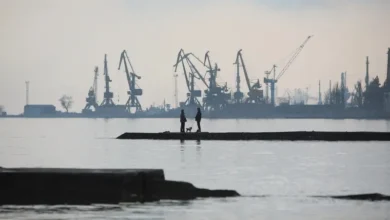
Iraq already uses a fleet of trucks to haul some of its fuel oil to Syria’s Mediterranean port of Baniyas, from where cargoes are loaded onto tankers for onward export. Baghdad is looking to shore up its oil revenues after the closure of Hormuz hit its finances hard. Besides Syria, it’s also sending fuel-oil-laden trucks through Jordan, and traders said that small volumes of crude oil — the cornerstone of the economy — are being trucked in the same way.
About 1,000 trucks carry the fuel oil every day, with each vehicle capable of delivering about 220 barrels, Qiblawy said. “I think there will be at least the same number of trucks with crude as with fuel oil, or even more than 1,000 trucks per day, because the quantity of Iraqi crude is much more than of fuel oil.”
Syrian Petroleum Co. plans to provide storage tanks for Iraq’s crude at Baniyas, Qiblawy said on the sidelines of the Energy Intelligence Forum in London this week.
Still, volumes trucked across Syria will represent a relatively small proportion of Iraq’s total crude exports, which the government said averaged about 2.7 million barrels a day last month including shipments from the north to the port of Ceyhan in Turkey.
Iraq’s oil ministry and SOMO, the state-run oil marketing company, didn’t immediately respond to Bloomberg News requests for comment.
In the summer, Syria and Iraq discussed options including rehabilitating and operating a long-defunct oil pipeline between the countries, which would reduce Iran’s leverage over supplies leaving the region. Work on a link may start in the first quarter of next year.