How ship-to-ship transfers work — despite big risks
Saudi Arabia’s oil exports have been disrupted after Iran-aligned Houthis damaged its key East-West pipeline, which helped circumvent the blockade of the Strait of Hormuz – a global oil chokepoint.
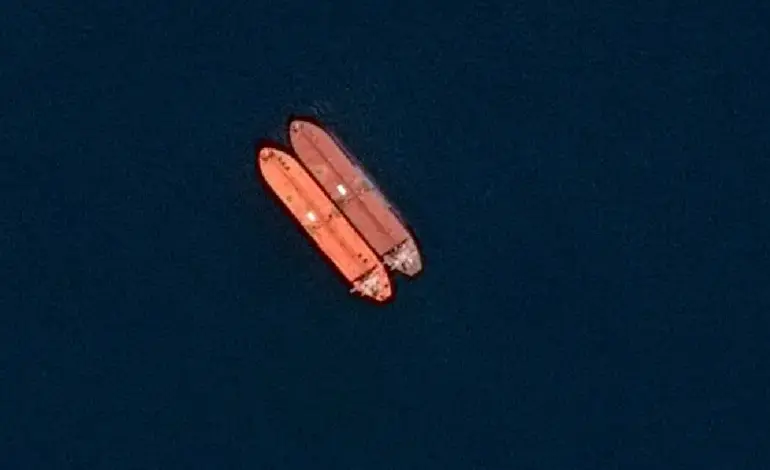
With the strait in effect closed and Bab al-Mandeb falling under Houthi control, Riyadh has been forced to find ways to export its oil. It is now increasingly offering crude to buyers through ship-to-ship transfers off Oman.
As commercial ships are increasingly refusing to pass through the strait due to the conflict, Saudi Arabia is transporting the crude to Oman’s Sohar port, located just outside the strait, where the oil is transferred from Saudi tankers to others.
Iran closed the strait, through which nearly a fifth of pre-war global energy passed, in response to the United States-Israeli war, and has used the waterway as leverage in the talks.
Media reports suggest that the Hormuz closure and rising oil prices have pushed the US and its allies in the region to adopt shadow tactics, much like what Iran has been doing for years to export its own crude.
The UAE’s Port of Fujairah is situated on the country’s eastern coast and serves as one of the world’s largest bunkering and crude oil storage hubs. Its open-ocean anchorage provides a crucial offshore staging area for ship-to-ship transfers and energy exports outside the Strait of Hormuz.
These ports are close to the boundaries drawn by the Persian Gulf Strait Authority, the new Iranian body established to manage the Strait of Hormuz.
The Iranian authorities have attacked ships that they say use unauthorised routes – the southern route of the strait, closer to Omani waters – to transit the waterway.
The US military has reportedly been assisting scores of these secretive ship-to-ship oil transfers to keep Gulf energy exports flowing, starting from early May this year.