Bernie Sanders campaigns for 32-hour work week
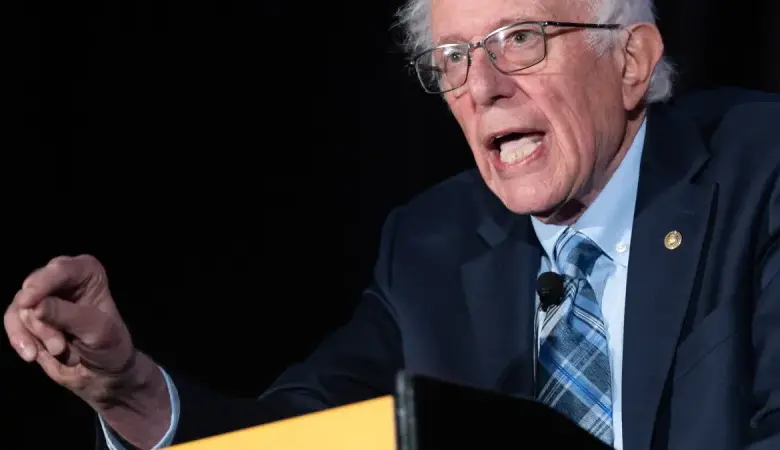
Bernie Sanders along with California Rep. Mark Takano reintroduced the Thirty-Two Hour Workweek Act last week, pushing employers to shorten schedules or pay overtime for the difference.
Sanders, who supported a pause on AI development, is pushing the bill in light of recent AI advancements, saying that they should benefit workers and not just billionaires;
“At a time when artificial intelligence and robotics will radically transform our economy, it is imperative that the financial gains from this new technology benefit working families, not just a handful of billionaires and corporate CEOs,” he said in an announcement of the bill.
The bill, if passed, wouldn’t guarantee a three-day weekend, instead, over the course of four years, it will gradually lower the overtime threshold for workers from 40 hours until it reaches 32 hours, thereby forcing companies to either pay more overtime or have a three-day weekend.
Takano argued that while technology progressed, labor law has failed to keep pace with it; “Since then, cell phones, the internet, and now AI have increased worker productivity,” he said. “Work has fundamentally changed. It’s time that labor standards caught up.”
Sanders has also called for this in the past, introducing a Senate version of the bill in 2024 arguing that reducing work hours was the next chapter in the labor struggle stretching back more than a century.