Morocco blames Ceuta migrant rush on social media rumors, human trafficking networks
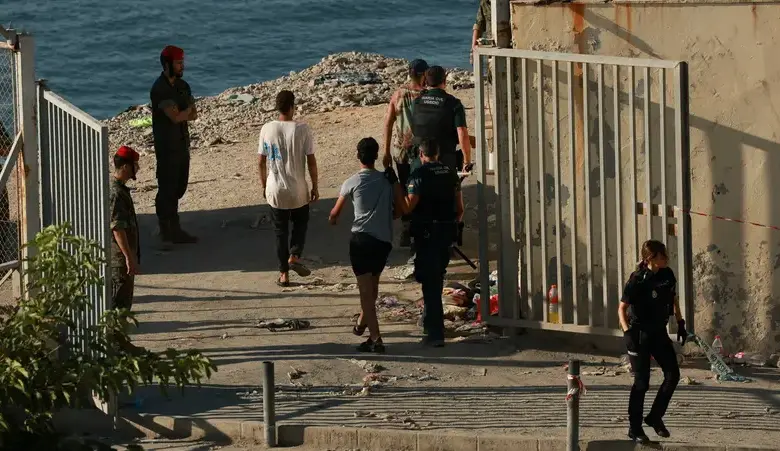
Morocco’s Interior Ministry said on Sunday that recent mass crossings to the Spanish enclaves of Ceuta and Melilla were fuelled by misinformation on social media, human trafficking networks and misinterpretation of a Spanish ruling banning immediate returns of migrants intercepted at sea.
About 40,000 people were involved in the mass crossing into Ceuta and 1,135 were stopped from entering Melilla, the ministry said in a statement.
The death toll from a mass rush of migrants from Morocco into the Spanish enclave of Ceuta last week reached at least 72 on Sunday, as five more bodies were found along the North African coast, officials said.
The number of fatalities was considerably higher than what was announced by Moroccan authorities on Sunday.
More than 50,000 people crossed into Ceuta by land and sea in an unprecedented surge that began on Thursday at one of the European Union’s only two land borders with Africa, prompting alarm across the bloc. More than 48,000 returned to Morocco within 48 hours and more did so over the weekend, Spanish authorities said.
The Spanish government representative in Ceuta, Miguel Angel Perez, told reporters on Sunday that, in addition to the 72 fatalities, more than 1,000 people had been treated by health services. The situation in the enclave had improved markedly, he said, but more remained to be done to re-establish normality.
Some migrants drowned and others were crushed while trying to climb a breakwater and border fence. Many had been driven to migrate by economic hardship and encouraged by social media rumours.