‘The dream I carried is gone’: Miscarriages rise amid trauma of Gaza’s war
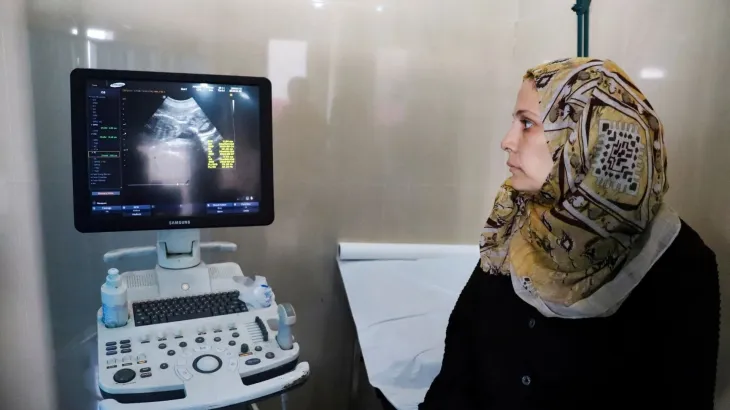
For years, Nuha Abu Lebda dreamed of becoming a mother. But Israel’s genocidal war on Gaza has turned that dream into loss, time and time again.
As she was forcibly displaced several times across the Gaza Strip since the war began in October 2023, Abu Lebda lost three pregnancies. She says the losses came after months of air strikes, hunger, fear and living without proper medical care.
“I miscarried because of the air strikes, the displacement, the difficult conditions, the lack of clean water and malnutrition,” she tells Al Jazeera.
After each miscarriage, she hoped she could still become a mother.
“When I lost my baby, I was exhausted. I woke up hoping my baby was still inside me. But the dream I carried for 10 years was gone.”
Abu Lebda sold her gold and almost everything she owned to pay for injections of heparin, a drug prescribed to some women to prevent blood clotting during pregnancy. She hoped the treatment would help her bring her pregnancies to term, but she lost the babies despite it.
“I cried so much because I lost the baby I dreamed of every single day,” she laments.
Even after the fighting slowed, her dream remained the same. “I dream of bringing a baby into this world. I want to be a mother and have children. Every time I see my husband playing with children, I start crying.”
Medical officials in Gaza say they are treating a surge in miscarriages, which they link directly to Israel’s genocidal war and blockade. The trend has worsened as Gaza’s health system has collapsed under bombardments and Israeli ground operations with malnutrition and psychological strain cited as key drivers.‘I lost my daughter during childbirth’
Abu Lebda is one of many women in Gaza who say they have lost pregnancies during the war. They describe miscarriages, premature births and losing newborns while trying to survive bombardments, displacement, hunger and the collapsing healthcare system.
Mai Zaqout tells Al Jazeera she lost her daughter because she could not access the medical care she needed.
“I lost my daughter during childbirth. She had already died inside my womb for a month, but I could not deliver her because the medical resources and support I needed were not available,” she says.
Her loss came shortly after another tragedy. “All of this happened within a very short time after my husband was killed.”
For Sara al-Awad, she had a scare when she was eight months pregnant. She says powerful explosions in Tal al-Hawa, a neighbourhood in Gaza City, caused extreme fear and stress, leading to severe bleeding.
“Because of the fear, anxiety and the power of the explosions, I started bleeding. My placenta had separated.”
Al-Awad says no ambulance could reach her, and she waited for hours before her brother took her to al-Quds Hospital in a wheelchair. “The doctors decided I needed an emergency C-section immediately.”
Her baby, Muhammad, was born weighing only 1.1kg (2.4lb) and was placed in an incubator. But as fighting continued around the hospital, Sara and her family were separated from him.
“My brother had to leave for the south while Muhammad stayed alone in the incubator. We could only check on him through messages from the medical staff,” she says.
After more than a month, al-Awad was finally reunited with her baby. “Thank God, the ceasefire came. … Muhammad left the incubator after 37 days.”