Lebanese President Joseph Aoun set for first White House visit
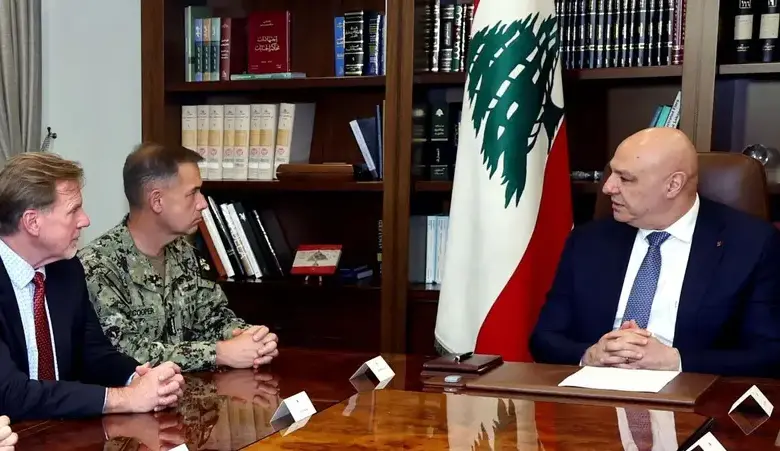
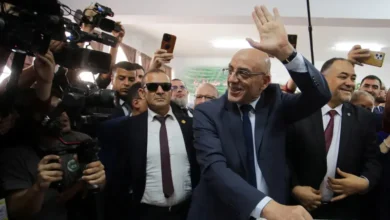
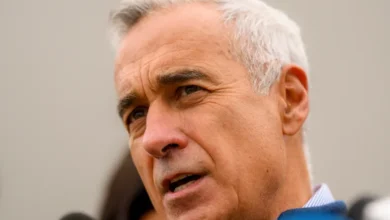
Lebanese President Joseph Aoun is expected to visit the White House later this month, a White House official told Al Arabiya English on Tuesday.
Aoun is scheduled to meet US President Donald Trump on July 21, the official said.
The visit would mark Aoun’s first trip to the White House and the first by a Lebanese president in decades. During Trump’s first term, former Prime Minister Saad Hariri was the most senior Lebanese official to visit the White House.
David Daoud, a senior fellow at the Washington-based Foundation for Defense of Democracies (FDD), said Trump was trying to strengthen the Lebanese president’s position and standing in Lebanon, “effectively lending him the backing and support of the United States.”
Aoun was elected president in 2025, ending a prolonged presidential vacuum that had further deepened the country’s socioeconomic and political crises.
Nawaf Salam was subsequently appointed prime minister to lead Aoun’s first government, which entered office amid high expectations. Since taking office, the government has taken a series of bold decisions, including moving to curb Hezbollah’s military activities and expelling Iran’s top diplomat in Lebanon.
Neither Hezbollah nor Iran has complied with the government’s directives.
Against that backdrop, Daoud said Aoun’s invitation to the White House should be viewed as a privilege rather than a given, arguing that Beirut has yet to deliver on its longstanding commitment to disarm Hezbollah.
“Not only has the Lebanese state failed to demonstrate its willingness to fulfill its obligations under several US-brokered treaties, namely to confront and disarm an intransigent Hezbollah – even now Aoun himself continues to insist on dialoguing with the group regarding its arsenal, which has only ever allowed Hezbollah to regenerate,” Daoud told Al Arabiya English.
Asked what Washington should seek from Aoun, he said the Lebanese president must demonstrate why this round of engagement would yield different results and “and to present a Lebanese failsafe option to ensure Hezbollah’s disarmament in the very likely case the group maintains its refusal to do so voluntarily.”
Frustration in Washington over Lebanon’s failure to disarm Hezbollah has been building for years, particularly on Capitol Hill. That frustration was reflected in this year’s US defense policy bill, which significantly reduced military assistance for the Lebanese Armed Forces (LAF). In May, the chairmen of the Senate Foreign Relations Committee and the Senate Armed Services Committee also urged that US aid to the LAF be cut unless the military takes tangible steps toward disarming Hezbollah.