An American Predicament and Western Moral Collapse After October 7
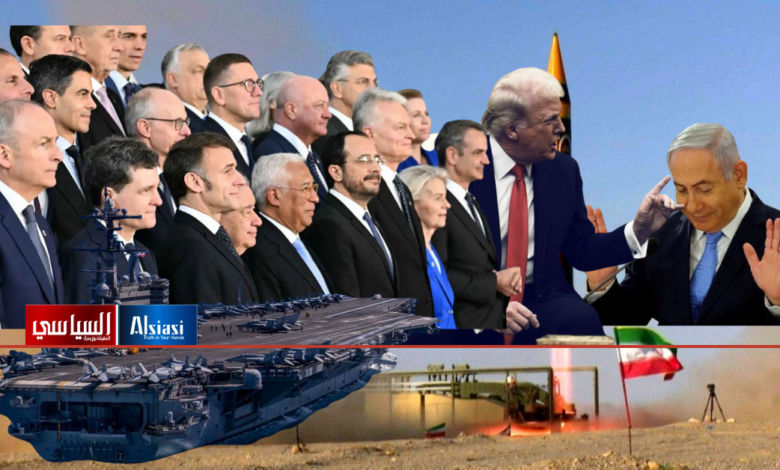
There has been a clear decline in the prestige and standing of the world’s leading military power, a process that began after the events of October 7, 2023, when the administration of former U.S. President Joe Biden and its European allies supported a war in Gaza that critics describe as genocidal, carried out by the Israeli military.
Israeli Prime Minister Benjamin Netanyahu, who has overseen and intensified the war while seeking to preserve his political future, stated that the conflict would change the Middle East. However, its impact has extended far beyond the region, affecting people across the globe as the consequences of the war continue to spread.
The war in Gaza has severely damaged the reputation of the United States, the West, and Israel. For decades, their institutions and media have promoted values such as human rights, freedom, humanitarianism, and ethical conduct. Yet critics argue that while great attention is often given to rescuing and caring for animals, the suffering of tens of thousands of children in Gaza, along with the displacement of hundreds of thousands of civilians fleeing powerful bombs supplied by the United States and used by Israel, has been largely overlooked.
Following the devastation in Gaza, many observers contend that Western governments that supported Israel lost much of their remaining moral credibility. Matters were further complicated by the return of Republicans under President Donald Trump, whose administration has been associated with continued support for military actions and conflict. According to this view, the United States found itself trapped by its own policies when it sought to support Netanyahu’s position in power, launching strikes against Iran while disregarding the interests of global partners and Gulf allies. These allies have suffered significant consequences, with their economic and development projects placed at risk, while receiving little practical protection from Washington.
Meanwhile, American and Israeli operations against Iran have not produced decisive results. Iran continues to conduct military operations against Israel and has also affected Gulf states, which find themselves caught in a conflict they neither control nor can meaningfully influence. The decision to end the confrontation lies elsewhere, leaving these countries to bear the costs of a struggle linked, in part, to maintaining Netanyahu’s political position.
Over the past eight years, despite representing rival political parties, both Biden and Trump have, according to critics, shown similar approaches regarding support for Israel. Military operations have continued, veto powers have been used to shield Israel from international pressure, and international human rights organizations have faced criticism or restrictions when documenting alleged Israeli violations. As a result, the United States has faced growing accusations of moral inconsistency. This criticism contrasts with Washington’s long-standing efforts to promote democratic values and ethical principles globally through think tanks, civil society organizations, and support for Western ideological frameworks, while simultaneously exercising military and economic power abroad.
The United States has paid little attention to what many perceive as its moral decline and has made limited efforts to repair its image—or that of the broader West. Instead, it has continued supporting military operations in Gaza and Lebanon and approving financial and military aid to Israel as though little had changed.
Some Western governments have expressed concern about Israeli actions and called for restraint, particularly regarding civilian casualties and targeting practices. However, critics argue that these same governments have often restricted protests or speech condemning what they view as serious humanitarian violations, some of the worst seen since World War II. In some cases, individuals expressing such views publicly or on social media have faced legal or professional consequences.
The conflict with Iran remains ongoing, and the situation that Netanyahu has drawn the United States into appears difficult to resolve. Despite significant losses among its political and military leadership, Iran has demonstrated resilience. Current indications suggest that Tehran has adopted a firm negotiating position, potentially forcing concessions from Washington. At the same time, disruptions involving the Strait of Hormuz have affected global energy markets, placing additional pressure on economies worldwide.
Today, the United States faces increasing international isolation, according to this perspective, after contributing to economic difficulties that have particularly affected Western nations. Reduced access to energy supplies has led to higher prices in Europe, political instability, and public protests, even as many countries continue recovering from the economic consequences of the COVID-19 pandemic. Gulf states, meanwhile, may be reassessing their strategic relationship with Washington, as some have concluded that American military bases on their territory have not necessarily provided security but have instead increased their exposure to regional conflict. As missiles continue to threaten the region, these governments face difficult questions about the future of their alliances and security arrangements.