Growing Gulf Frustration Over U.S. Unilateral Approach to the Strait of Hormuz Crisis
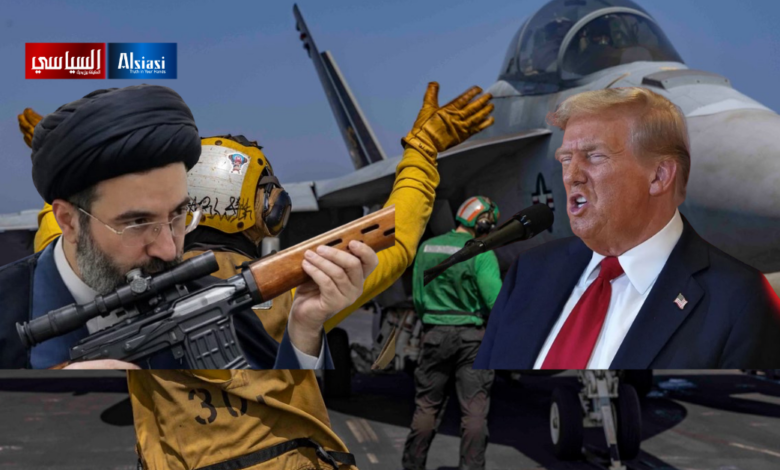
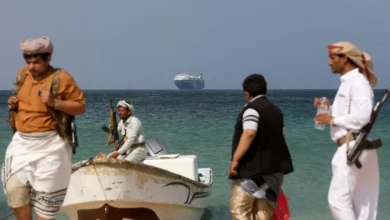
Disagreements between the U.S. administration and its allies in the Arabian Gulf region have surfaced, following Washington’s attempt to act unilaterally in dealing with the Strait of Hormuz crisis without consulting or coordinating with its Arab allies.
Despite Saudi Arabia reportedly obstructing, at the last moment, the individual plans of U.S. President Donald Trump and preventing him from using Prince Sultan Air Base or Saudi airspace for an operation aimed at taking control of the Strait of Hormuz under the pretext of securing international navigation, which would have reopened the military front in the region, the U.S. president and his administration, in consultation with the hardline government in Tel Aviv, are allegedly working to overturn the situation once again and reignite the conflict.
According to indicators cited in the text, the U.S. administration is seeking to keep the crisis active in the Gulf region. The article argues that President Trump relies on threats, warnings, and delays, repeatedly setting deadlines for Iran and then bypassing them under the justification of mediation efforts and giving more time for negotiations. Social media and his Truth platform, where he frequently posts and which has become a source for politicians, journalists, and audiences, are described as a new front through which he conducts another kind of war.
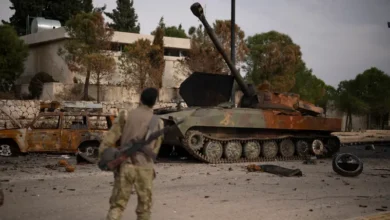
The article claims that the United States is committed to keeping matters unresolved in the region, which it says will negatively affect Gulf states that have become easy targets and vulnerable to Iranian strikes. Arab countries, it argues, suffer damage at relatively low cost from Iranian drones and short-range missiles, while the economic consequences are severe, amounting to billions of dollars due to disruptions to Arab ports, power plants, energy facilities, and oil wells.
Arab states reportedly experienced significant disappointment with the United States during the American-Israeli war against Iran. The article argues that they were effectively classified as standing alongside Israel against an Islamic state, while at the same time suffering from shortages in defensive capabilities, as Washington allegedly prioritized supplying defense systems to Israel, despite its distance from Iran.
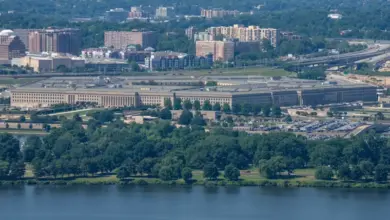
Based on this, analysts in the Arab world are calling on Gulf states to seek alternative defense sources and markets beyond the United States and to contract with non-American defense companies to protect themselves from threats. This is especially so, they argue, because the United States is not working to end the crisis, meaning that war and threats will continue indefinitely. Meanwhile, American military bases in Gulf countries are viewed as becoming a cause of attacks, turning their presence into a liability rather than the defensive shield for Arabs that America has long promoted.
Analysts say that what concerns Gulf Arab states most is that while Iranian missiles and drones, along with those of its proxies, have repeatedly targeted their region, negotiations have become increasingly focused almost exclusively on the Strait of Hormuz due to its global economic importance, thereby sidelining Gulf security concerns.
At its core, according to Gulf sources cited in a Reuters report, the Hormuz dispute is less about who controls the strait and more about who sets the rules of passage. This reflects a broader shift from fixed international norms toward arrangements based on power dynamics.
Ibtisam Al Ketbi, President of the Emirates Policy Center, stated that this demonstrates an imbalance between those who make the rules and those who bear the consequences of violating them. She said: “What is taking shape today is not a historic settlement, but a deliberate engineering of a sustained conflict.”
Analysts warn that such an approach to negotiations will not resolve tensions as much as institutionalize them at manageable levels — an outcome that may suit Washington and Tehran but risks deepening instability in Gulf states living under missile threats.
Across the Arabian Gulf, attitudes toward Washington now reportedly range between subdued resentment, growing frustration, and confusion over unilateral American decisions.
Abdulaziz Sager, Chairman of the Gulf Research Center in Saudi Arabia, stated that: “The United States is an integral part of regional security… but this does not mean acting unilaterally or intervening completely without involving the region.”
While Gulf leaders resent being marginalized, they acknowledge both privately and publicly that U.S. military capabilities continue to influence outcomes due to their unmatched superiority.
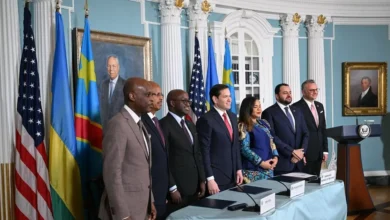
Now, amid Washington–Tehran negotiations, Gulf officials reportedly believe that their exclusion from the talks is no longer merely a regional issue but a global one, given the international importance of the Strait of Hormuz.