What we know about Iran’s response to the latest US ceasefire proposal
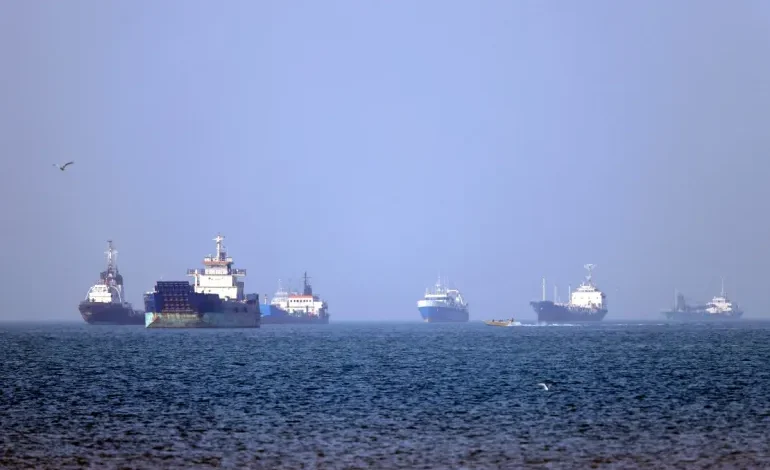
Iran has said it is reviewing a United States peace proposal that seeks to end the war, even as the two sides exchanged fire in the Strait of Hormuz on Thursday.
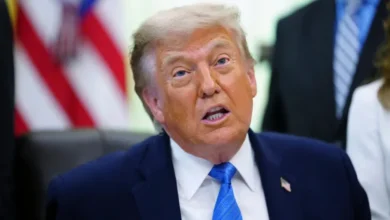
In a post on his Truth Social Platform late on Thursday, US President Donald Trump called Iran’s leadership “lunatics” and warned Tehran would face more severe military action if it did not quickly agree to a deal.
But how is Iran likely to respond to the latest US ceasefire proposals? And is Tehran likely to have to make significant compromises to reach a deal?
Here’s what we know:
What is in the latest US proposal?
According to US media reports, Washington sent Iran a 14-point document earlier this week. Under its proposals, Iran would be required to agree not to develop a nuclear weapon and halt all enrichment of uranium for at least 12 years. It would also be required to hand over an estimated 440kg (970lb) stock of uranium, which it has enriched to 60 percent.
In return, the US would gradually lift sanctions and release billions of dollars in frozen Iranian assets and withdraw its naval blockade of Iranian ports.
Both sides, which are currently engaged in a naval standoff in the Strait of Hormuz, would reopen the critical waterway within 30 days of signing.
Iran has been subject to crippling US sanctions for decades. The lifting of some of these under a 2015 nuclear agreement drawn up with the former Obama administration, five other countries and the European Union, was reversed when Trump unilaterally walked out of the deal in 2018, during his first term as US president.
Billions of dollars of Iranian assets remain frozen in foreign banks due to the ongoing sanctions.
The US proposal follows one submitted by Iran via mediator Pakistan a week ago.
What has Iran said about the latest US proposal?
Iran has yet to formally respond to the latest US plan. However, Iranian leaders have pushed back against it.
Iranian lawmaker Ebrahim Rezaei, a spokesperson for the parliament’s powerful foreign policy and national security committee, described the text as “more of an American wish-list than a reality” this week.
Iran’s Parliament Speaker Mohammad Bagher Ghalibaf appeared to mock US reports that the two sides were close to a deal, writing on social media in English that “Operation Trust Me Bro failed”.
On Thursday, Iran’s military said US forces had targeted an Iranian oil tanker in coastal waters as well as a second vessel near the United Arab Emirates’ Fujairah port, while US air strikes hit civilian areas in Bandar Khamir, Sirik and Qeshm Island in southern Iran. Iranian air defences were also active over western Tehran.
The US, however, said its naval forces came under Iranian missile, drone and fast-boat attacks in the Strait of Hormuz and responded by eliminating “inbound threats” and targeting “Iranian military facilities responsible for attacking US forces”.
Despite the exchange of fire, neither side has yet announced the collapse of the ceasefire, which has been in place since April 8.
Reporting from Tehran, Al Jazeera’s Resul Serdar Atas said an Iranian Foreign Ministry spokesperson has said his side is still reviewing the US proposal.
“There were reports that the response to the proposal was expected to be sent to Pakistani mediators yesterday. This has not been confirmed, but Iranian officials are saying they’re still reviewing it,” Atas said.
“So despite this back and forth and these military confrontations, the diplomatic and mediation efforts seem to be still under way, and both sides are still interested in diplomatically engaging with each other,” he noted.
“Now, after Iran’s response, the picture is going to get pretty clear. So far, despite some optimism, Iranian officials are saying that several US demands are unreasonable, unrealistic and maximalist.”
“There’s a huge gap between the positions of the two parties,” he added.