Iran says it won’t reopen Strait of Hormuz while US naval blockade remains
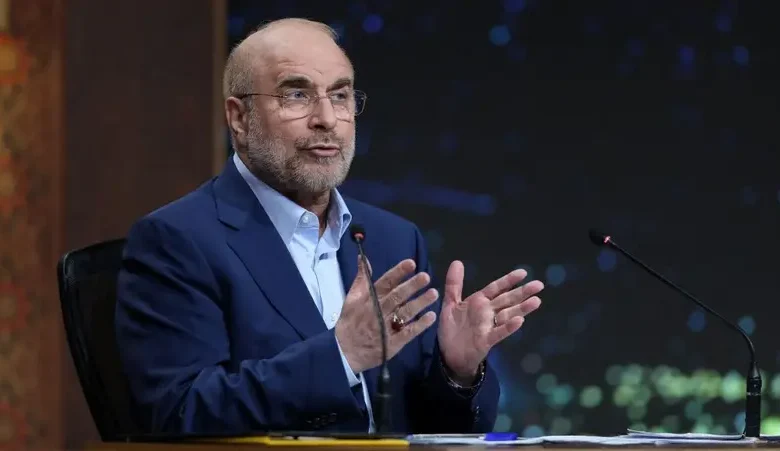
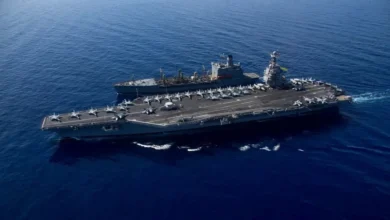
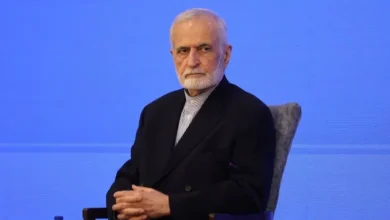
Iran’s parliamentary speaker said on Wednesday that Tehran would not reopen the Strait of Hormuz as long as a US naval blockade remained in place, calling it a “blatant violation of the ceasefire.”
“A complete ceasefire only has meaning if it is not violated through a naval blockade… reopening the Strait of Hormuz is not possible amid a blatant violation of the ceasefire,” Mohammad Bagher Ghalibaf, who is also Iran’s chief negotiator, said on X.
“They did not achieve their goals through military aggression, and they will not achieve them through coercion either. The only path forward is to recognize the rights of the Iranian people,” he added.
In a separate English-language post, Iranian President Masoud Pezeshkian said Tehran remained open to “dialogue and agreement,” but warned that “breach of commitments, blockade and threats are main obstacles to genuine negotiations.”
“World sees your endless hypocritical rhetoric and contradiction between claims and actions,” he added.
Iran seized two vessels in the Strait of Hormuz on Wednesday, tightening its grip on the strategic waterway after US President Donald Trump paused planned military action while maintaining a naval blockade on Iran’s maritime trade.
Trump said on social media late on Tuesday that the US had agreed to a request by Pakistani mediators “to hold our Attack on the Country of Iran until such time as their leaders and representatives can come up with a unified proposal … and discussions are concluded, one way or the other.”
A source familiar with the matter said Trump had not set a timeline for the ceasefire extension.
Pakistan, which has been acting as a mediator, continued efforts to bring both sides back to the negotiating table after a planned round of talks failed to take place before the initial two-week ceasefire was due to expire.
Throughout the conflict, Iran has effectively restricted passage through the Strait of Hormuz by targeting vessels attempting to transit without its authorization. The waterway typically carries around a fifth of the world’s oil and liquefied natural gas supplies.