Korean Air takes emergency action as fuel prices soar
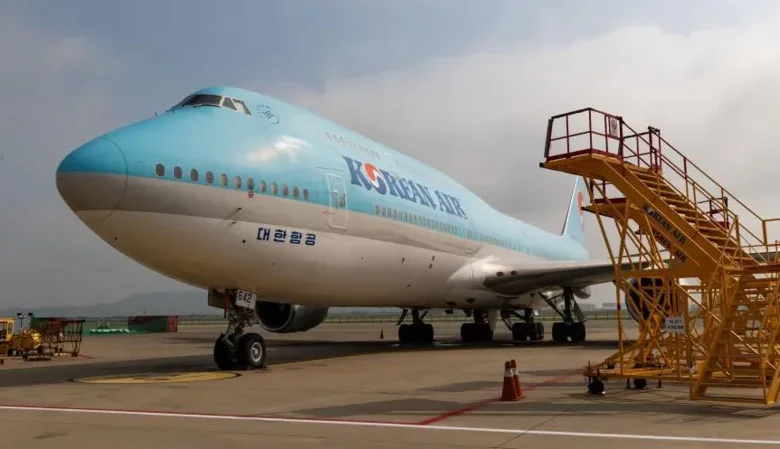
Korean Air says it is moving into emergency management mode to buffer the impact of surging jet fuel costs as the global economy is rocked by the ongoing US-Israel war with Iran.
A spokesperson for the national flag carrier said on Tuesday that it will implement “internal cost-reduction measures” to manage its finances to ensure the firm’s “stability amidst rising fuel prices and global economic uncertainty”.
It is the latest Asian airline to announce measures to deal with the economic impact of the Iran war.
The cost of crude oil has surged by more than 50% since the conflict began on 28 February, while global jet fuel prices have more than doubled.
Airlines have adopted similar emergency protocols during crises like the Covid-19 pandemic to protect their finances, said Tan Chi Siang from consultancy PwC.
Asian carriers, in particular, are dealing with a “double shock” of rising global oil prices and a regional jet fuel shortage that has forced them to take action, he added.
South Korea
South Korea is especially vulnerable to energy supply disruptions from the Middle East as it is heavily reliant on oil from the Gulf.
In recent days, several of the country’s carriers – including Korean Air, Asiana Airlines and Busan Air – have entered emergency management mode.
The measures are typically internal, such as slowing upgrades or other investments, but some airlines may reduce the number of flights to cut costs, Tan said.
Korean Air employees were first notified about the emergency measures in a memo that has been seen .
Vice Chairman Woo Ki-hong told staff members the airline is preparing for “a surge in fuel expenses”.
The airline will cut costs through measures based on the price of oil, Woo wrote, adding that the moves are “not merely a one-time” initiative but a chance to “strengthen our structural foundation”.
Mainland China and Hong Kong
Despite being a major energy producer, China is the world’s biggest importer of oil, making its aviation industry susceptible to global energy shocks.
China Eastern Airlines, one of the country’s largest state-owned carriers, warned on Monday that global disruptions could weigh on its operations this year.
The airline said trade conditions and “geopolitical conflicts or wars will have a relatively significant impact” on the aviation sector, which could affect its performance.
Many Chinese airlines have raised their fuel surcharges on flights since the Iran war started.
China’s authorities have also reportedly ordered its oil refineries to stop exporting fuel in a bid to keep domestic prices under control.
In Hong Kong, Cathay Pacific said that a fuel surcharge has been included on all flights, with many of its fares rising sharply.
Japan
Japan is an international transport hub, as well as being a major manufacturer of plane parts.
All Nippon Airways (ANA) has said it will not be raising fuel surcharges for tickets issued in April and May as prices were set before the Iran war.
The immediate impact of rising energy costs is “limited” for now due to the existing surcharges and measures that the airline has taken to secure fuel prices in advance, a spokesperson for ANA said.