Gulf states and UK urge Iran to stop ‘provocations’ against neighboring countries
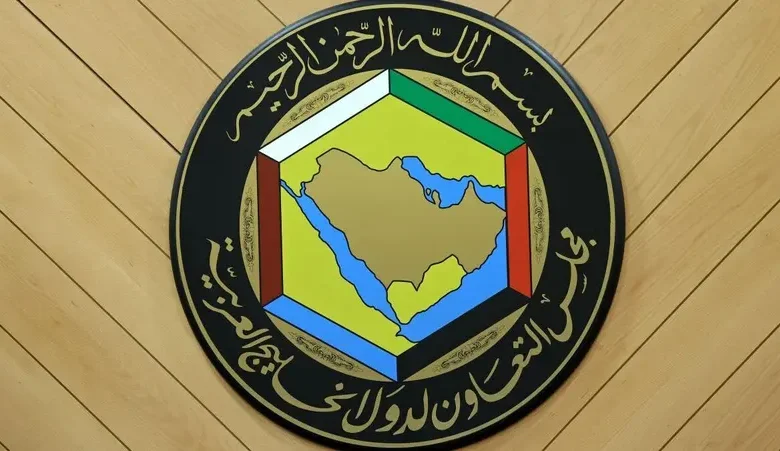
Gulf states and the United Kingdom reaffirmed their commitment to regional stability, stressing that the security and stability of the Gulf are essential pillars of global economic stability and are closely linked to the security of the United Kingdom and international security.
They also called on Iran to immediately halt all attacks and to refrain unconditionally from any provocations or threats directed at neighboring countries, including through the use of regional proxy groups.
The remarks came in a joint Gulf statement issued after an extraordinary meeting held on March 12 to discuss developments in the Middle East and the recent escalation, including what the statement described as “blatant aggression” by Iran and its regional proxies against Gulf Cooperation Council (GCC) countries and Jordan.
The ministers emphasized the importance of protecting regional airspace, maritime routes, and freedom of navigation, as well as ensuring the safety and security of supply chains, shipping operations, and seafarers, and maintaining stability in global energy markets.
They noted that UN Security Council Resolution 2817 (2026) condemned any Iranian actions or threats aimed at closing or obstructing international navigation in the Strait of Hormuz or threatening maritime security in the Bab al-Mandeb Strait.
The ministers also agreed to continue joint diplomatic efforts aimed at reaching a lasting solution that would prevent Iran from acquiring nuclear weapons and halt the development and proliferation of ballistic missiles, drones, and other technologies that threaten regional and international security. They also called on Iran to refrain from activities that destabilize the region and beyond.
The ministers stressed that the security and stability of the Gulf region are fundamental pillars of global economic stability and closely tied to the security of the United Kingdom and international security. They praised what they described as the United Kingdom’s “significant contributions” to regional security and expressed appreciation for the UK’s recent decision to strengthen defense capabilities in the region, including through the participation of Royal Air Force Typhoon jets in defensive operations.
They also highlighted the extensive diplomatic efforts made by GCC states prior to the attacks and reaffirmed their commitment that their territories would not be used to launch attacks against Iran. The ministers reiterated their strong commitment to dialogue and diplomacy as the primary means of resolving the crisis, praising the “constructive” role played by Oman and emphasizing the need to restore regional stability and security.
The ministers also recalled the inherent right of GCC states, under Article 51 of the UN Charter, to defend themselves individually and collectively against armed attacks by Iran, as recognized in UN Security Council Resolution 2817 (2026). They stressed that GCC countries have the right to take all necessary measures to defend their security and stability, protect their territory, and ensure the safety of citizens and residents.
The ministers also reiterated the UN Security Council’s responsibility for maintaining international peace and security.
The ministerial council also pointed to what it described as an unprecedented level of international solidarity with the GCC and Jordan, reflected in the support of 136 UN member states for Security Council Resolution 2817 (2026).
The ministers thanked the United Kingdom for its solidarity with the GCC and its continued commitment to the security, stability, and territorial integrity of Gulf states.
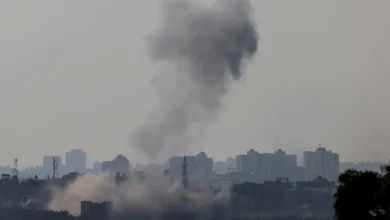
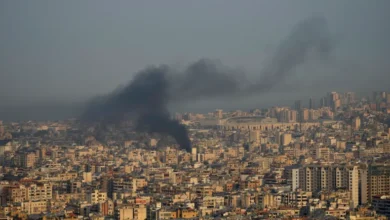
The ministers welcomed the adoption of Resolution 2817 (2026), which strongly condemned Iranian attacks targeting the territory of GCC countries and Jordan as violations of international law and threats to international peace and security. The resolution also condemned Iranian strikes on residential areas and civilian infrastructure, including oil facilities, service installations, and residential neighborhoods, which resulted in civilian casualties and damage to civilian buildings.
The ministers reaffirmed the importance of the strategic partnership between the GCC and the United Kingdom, first announced at the GCC-UK Summit held in Bahrain in November 2016. They welcomed progress in negotiations toward a free trade agreement between the two sides and expressed hope that the deal would be concluded as soon as possible.