US rejects Iran’s request to change location, format of talks: Report
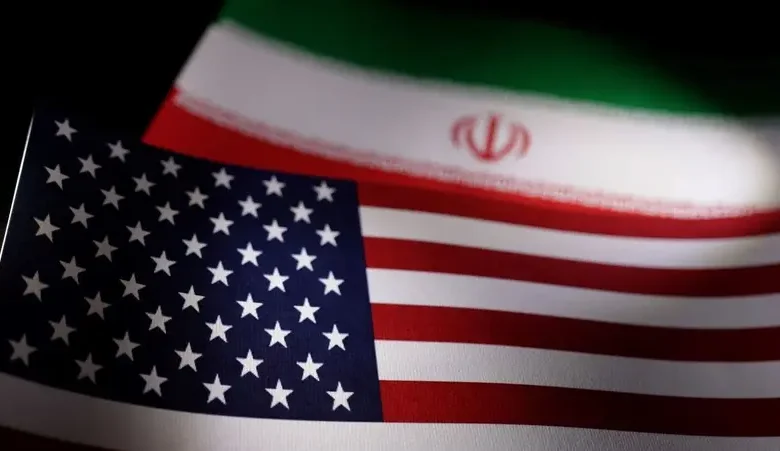
The United States has told Iran that it will not accept its demands to change the location and format of talks scheduled for later this week, again heightening the risk for renewed US military action, according to a report on Wednesday.
Washington and Tehran had agreed to hold talks on Friday in Istanbul, with other Middle Eastern countries participating as observers.
However, Iranian officials said they wanted to move the talks to Oman and shift to a bilateral format in order to keep discussions focused solely on Iran’s nuclear program and exclude topics such as missiles, which are priorities for the United States and regional countries.
US officials considered the request but decided on Wednesday to reject it, Axios reported.
“We told them it is this or nothing, and they said, ‘Ok, then nothing,’” Axios quoted a senior US official as saying.
The official added that if Iran does not return to the original format, “people will look at other options,” an apparent reference to US President Donald Trump’s repeated threats of military action.
“We tried to reach an accommodation but the Iranians refused. There is a good chance the talks won’t happen now at all this week,” Axios quoted a second US official as saying.
Earlier on Wednesday, Iran’s state-linked Tasnim news agency said Iranian Foreign Minister Abbas Araghchi and US envoy Steve Witkoff would hold indirect talks in the Omani capital Muscat on Friday. Tasnim said the discussions would focus exclusively on Iran’s nuclear program and the lifting of sanctions on Tehran.
Later in the day, Reuters cited a regional official as saying plans were being finalized for direct talks between Iran and the United States in Oman on Friday, and that talks in Turkey were no longer under consideration.
Early media reports had said the talks would be held in Istanbul, but Iran appears to favor Oman as the venue.
US Secretary of State Marco Rubio said on Wednesday the United States was ready to meet Iran this week, but any discussions must address both its missile and nuclear programs as well as its support for regional militias.
“In order for talks to actually lead to something meaningful, they will have to include certain things, and that includes the range of their ballistic missiles, that includes their sponsorship of terrorist organizations across the region, that includes their nuclear program and that includes the treatment of their own people,” Rubio said.
Iran has repeatedly stressed that any negotiations must remain limited to its nuclear program, rejecting talks on its missile program or its support for regional proxies.
Rubio said Witkoff had been prepared to meet Iran in Turkey but received “conflicting reports” on whether Tehran had agreed.
“That’s still being worked out,” he added, referring to the location of the talks.
This comes amid heightened tensions between Tehran and Washington, with the United States in recent days deploying an aircraft carrier group to the Middle East following a deadly crackdown on anti-government protests in Iran.
Tehran has acknowledged more than 3,000 deaths during the unrest.
The US-based HRANA rights groups says it has confirmed 6,872 deaths, most of them protesters killed by security forces, while other rights groups warn the true toll is likely far higher.