US dollar jumps most since November as Bessent comments halt slump
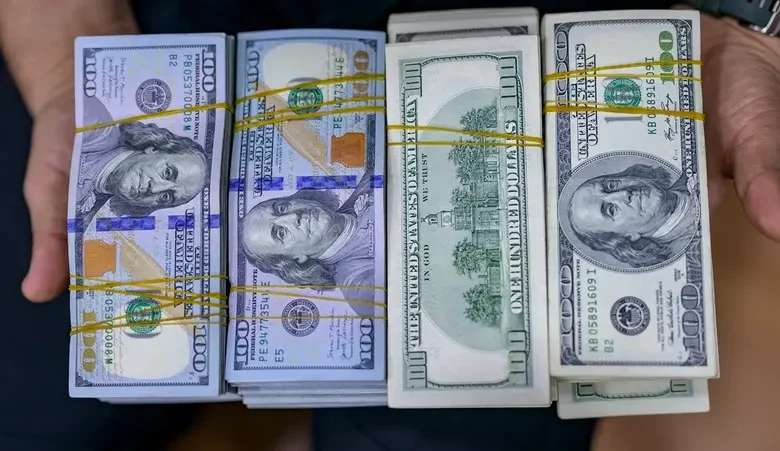
The dollar posted its biggest one-day gain since November, halting a week of declines after US Treasury Secretary Scott Bessent said the administration supports a stronger currency.
The Bloomberg dollar index rose 0.4 percent, clawing back some of the steep losses accumulated over the past four sessions.
The gains held after the Federal Reserve left policy rates unchanged on Wednesday after three consecutive cuts since September, citing signs of improvement in the economy.
The move chipped away at Tuesday’s slide, when President Donald Trump said he was comfortable with the decline in the world’s primary reserve currency. The dollar fell to its lowest level in nearly four years after those remarks, with some of the weakness spilling into the US Treasury market and pushing long-term yields higher.
Bessent, speaking in an interview with CNBC, said “the US always has a strong dollar policy.” He also said the US was “absolutely not” intervening in the Japanese currency market, rejecting speculation that had been building since Friday.
“Bessent’s comments soothed investor concerns,” said Erica Camilleri, a senior global macro analyst at Manulife Investment Management, adding that the remarks “helped restore confidence in the administration’s currency policy.”
The dollar gained against seven of the 10 major currencies, including the yen, which weakened 0.75 percent.
The Treasury secretary’s comments, though, still leave the dollar about 1 percent lower on the week. A resurgent yen, amid speculation Japanese officials will eventually step in to bolster it, has been a key contributor to the US currency’s weakness.
But market-watchers have also cited Trump’s unpredictable policymaking, including his threats to take over Greenland, which have rattled overseas allies; his pressure on the Fed to lower rates; and tax cuts that risk worsening the nation’s fiscal outlook. All of that has fueled angst over the risk that foreign investors might shun US assets.
Extended slump
Some analysts warned after Trump’s comments Tuesday that a longer-term decline was underway for the dollar, which slumped 8 percent last year in its worst year since 2017.
The president told reporters in Iowa on Tuesday that the dollar’s recent decline is great for US businesses. While that’s in line with previous commentary from US officials, his remarks moved currency markets partly because they appeared to validate the steep decline in the greenback in recent sessions.
“This may very well be the beginning of the next leg lower in the dollar, and many may not be prepared for it,” said Stephen Jen, founder of Eurizon SLJ Capital, a former Morgan Stanley currency strategist who developed the “dollar smile” theory.
At least one market metric backs rising concern about a longer-term decline in the US currency. A gauge of so-called risk reversals for the dollar against its major peers dropped this week to the lowest since data began being compiled in 2011, before paring the move Wednesday. The measure indicates increased demand from investors for protection against a weaker greenback in options markets.
Wednesday’s rally could also mark a selling opportunity for investors convinced that the dollar is set to continue to weaken, ING analysts wrote in a note.
“The next couple of days will show whether investors have concluded that the dollar needs to go lower,” they wrote. “Dollar fundamentals have not deteriorated substantially over the last week. But let’s see if investors and corporates feel the need to increase their dollar hedge ratios.”